
Scientists Discover New Hair Growth Technique Using Stem Cells
Those suffering from hair loss problems could soon be worry free thanks to a bunch of researchers at UCLA. The team found that by activating the stem cells in the hair follicles they could make it grow.

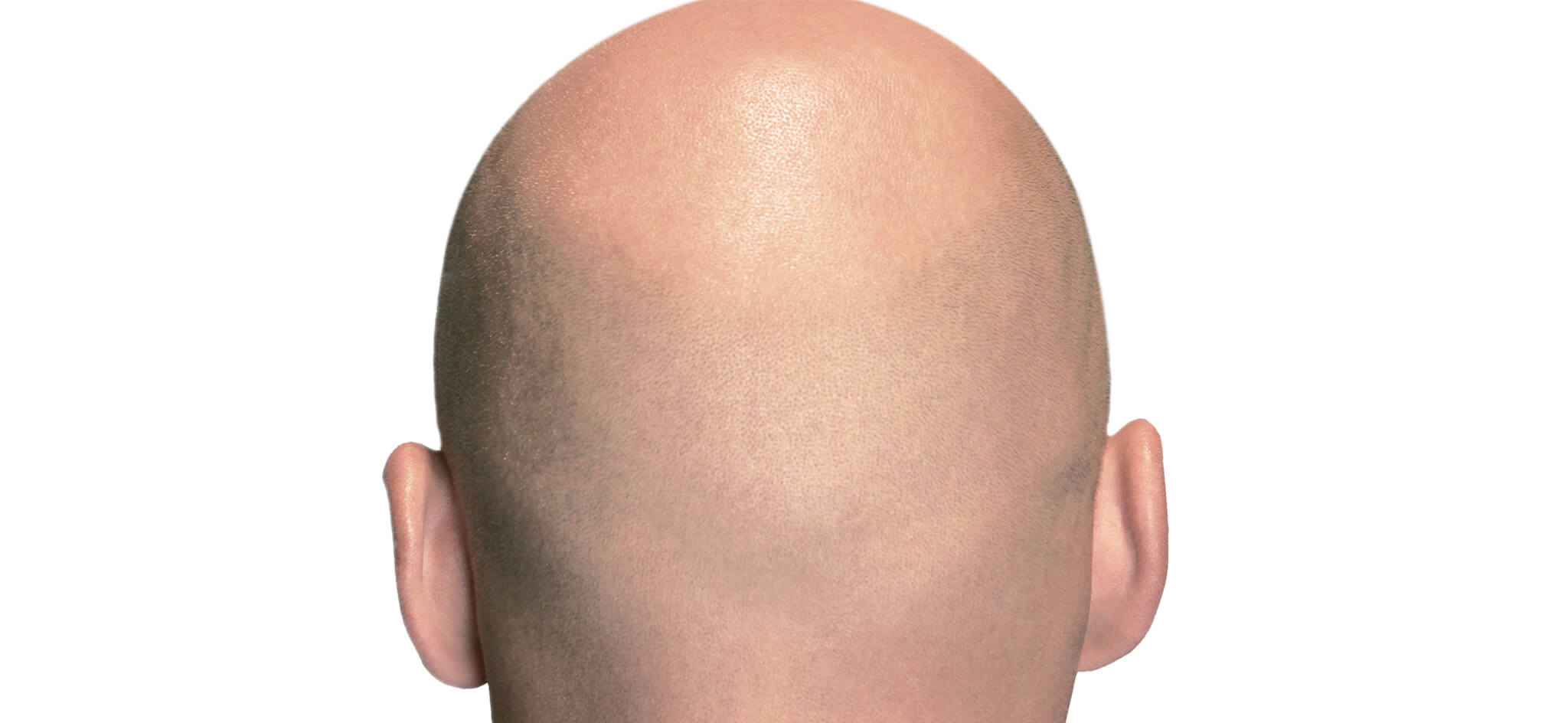
Those suffering from hair loss problems could soon be worry free thanks to a bunch of researchers at UCLA. The team found that by activating the stem cells in the hair follicles they could make it grow. This type of research couldn’t come soon enough for some. We may have finally found a cure for patients suffering from alopecia or baldness.
Hair loss is often caused by the hair follicle stem cell’s inability to activate and induce a new hair growth cycle. In doing the study, researchers Heather Christofk and William Lowry, of Eli Edythe Broad Center of Regeneration Medicine and Stem Cell Research at UCLA discovered that the metabolism of hair follicle stem cells is far different to any other cell found within the skin. They found that as hair follicle stem cells absorb the glucose from the bloodstream they use it to produce a metabolite called pyruvate. The pyruvate is then either sent to the cell’s mitochondria to be converted back into energy or is converted into another metabolite called lactate.
Christofk is an associate professor of biological chemistry and molecular and medical pharmacology and he says, “Our observations about hair follicle stem cell metabolism prompted us to examine whether genetically diminishing the entry of pyruvate into the mitochondria would force hair follicle stem cells to make more lactate and if that would activate the cells and grow hair more quickly.” First, the team demonstrated how blocking the lactate production in mice prevented the hair follicle stem cells from activating. Then, with the help of colleagues at the Rutter lab at the University of Utah, they increased the lactate production in the mice and as a result saw an accelerated hair follicle stem cell activation and therefore an increase in the hair cycle.
“Once we saw how altering lactate production in the mice influenced hair growth, it led us to look for potential drugs that could be applied to the skin and have the same effect,” confirms Lowry, a professor of molecular, cell and developmental biology. During the study, the team found two drugs in particular that influenced hair follicle stem cells to promote lactate production when applied to the skin of mice. The first is called RCGD423. This drug is responsible for allowing the transmission of information from outside the cell right to the heart of it in the nucleus by activating the cellular signaling pathway called JAK-Stat. The results from the study did, in fact, prove that JAK-Stat activation will lead to an increased production of lactate which will enhance hair growth. UK5099 was the second drug in question, and its role was to block the pyruvate from entering the mitochondria, forcing the production of lactate and accelerating hair growth as a result.
The study brings with it some very promising results. To be able to solve a problem that affects millions of people worldwide by using drugs to stimulate hair growth is brilliant. At the moment there is a provisional patent application that’s been filed in respect of using RCGD423 in the promotion of hair growth and a separate provisional patent in place for the use of UK5099 for the same purpose. The drugs have not yet been tested in humans or approved by the Food and Drug Administration as fit for human consumption.
Research Via UCLA, Study published @ Nature Cell Biology
More News to Read
- Meet Root – The Robot That Will Teach You Coding in No Time!
- Is that Possible to Make a Self Healing Tire? Even While Driving!!
- Surprising Discovery Reveals the Cure to Insomnia Lies Outside the Brain
- 3D Printing’s Even More Affordable Now Thanks to SparkMaker
- Is it the End of the Road for Silicon Chips?
Related Coverage
- Is that Possible to Make a Self Healing Tire? Even While Driving!!
- The Gene Has Been Found, No More Gray Hair
- Researchers Use AI Algorithm to Help Those Suffering From Sleep Disorders
- Could Using 3D Imaging Be Used to Detect Signs of Extraterrestrial Life in Space?
- Scientists Discover a New Way to Repair DNA
Don't miss new tech stories on Google
Add TrendinTech once in the Google app and our stories appear in your news suggestions.
Helena Marsh
Helena Marsh is the Editor-in-Chief at TrendinTech, where she leads editorial strategy and oversees coverage across artificial intelligence, cybersecurity and enterprise technology. With more than a decade in technology journalism on both sides of the Atlantic, she previously served as a senior editor at Wired UK and covered the technology sector for The Guardian, following the rise of the big platforms, the Cambridge Analytica scandal and the regulatory push from Brussels and Washington. Helena holds an MA in Journalism from City, University of London and is a regular speaker at Web Summit in Lisbon and CES in Las Vegas. She believes technology reporting should be rigorous and plainly written, so readers understand what actually changes for them rather than what a company's announcement promises.
All stories by Helena Marsh (201)