
Scientists Finally Discover Why High Altitude Inhibits Heart Function
It’s no secret that high altitudes reduce the amount of blood that’s able to be pumped around the body. However, what we’ve not known, until now, is why.

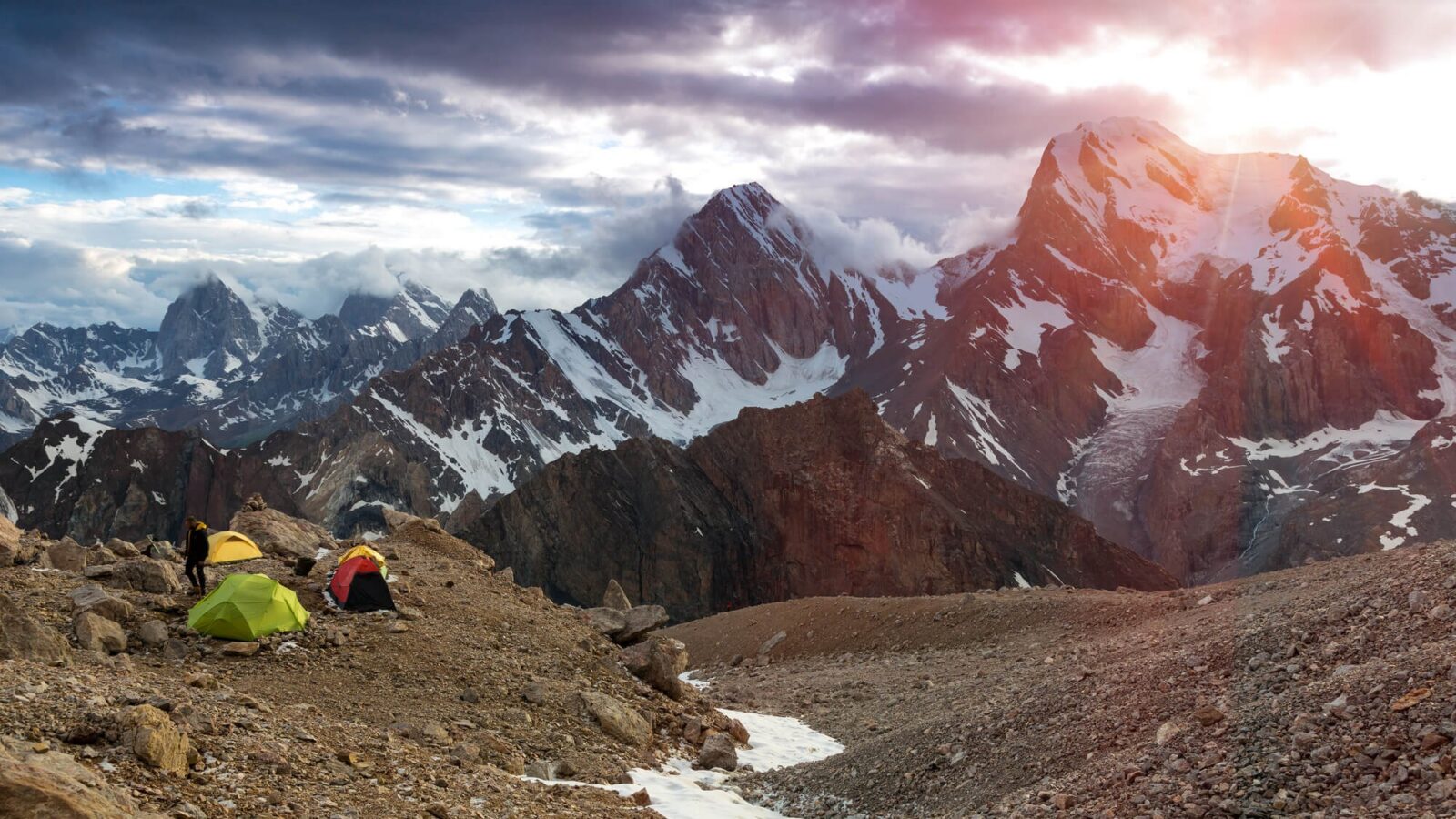
It’s no secret that high altitudes reduce the amount of blood that’s able to be pumped around the body. However, what we’ve not known, until now, is why. While many theories have been proposed over the years, none have been confirmed for certain. But new research published in The Journal of Physiology has revealed exactly why this is.
The answer lies in oxygen. At high altitudes, (anything over around 3000 m) oxygen levels in the air are sparse. Because of this, the amount of blood within the body decreases while the blood pressure in the lungs increases. The study has revealed that both of these factors play a part in lowering the amount of blood the heart is able to pump with every beat. Thankfully, none seem to affect our ability to exercise fully.
This kind of research is extremely important as it deepens our understanding of how the human body adjusts to cope when in high altitudes. It will also help in making mountain climbing and other high altitude sports safer.
The research involved gathering data on how the heart and pulmonary blood vessels are able to adapt in a world where less oxygen is present and was conducted by the Cardiff Metropolitan University in collaboration with the University of British Columbia and Loma Linda University School of Medicine.
While the study was small in size, it’s of no less significance than research that’s carried out globally. It just means that because only Europeans were tested, the results are inconclusive and could be different for people of other descents. But luckily future work is imminent.
“Currently, a number of the research team are ready to depart for an expedition that will focus on high altitude natives who live and work in the industrial mines of the Andean mountains,” explains chief investigator on the project, Michael Stembridge. “Unfortunately, a third of these individuals experience long-term ill health due to their residence at high altitude, a condition termed ‘Chronic Mountain Sickness’. We hope to apply the findings of this work to help improve the health and well-being of these populations by furthering our understanding of the condition and exploring therapeutic targets.”
Image; DepositPhotos
Related Coverage
- Researchers Discover Response in Liver Could Actually Help Treat Alcoholism
- Thanks to LIGO We Can Now Produce Our Very Own Gravitational Waves
- Astronomers Discover Strange ‘Glitch’ in Binary System
- New Laser Imaging System Shows the Structure of Biological Tissue and The Dynamic Activity
- Scientists Discover A White Dwarf Orbiting Black Hole
Don't miss new tech stories on Google
Add TrendinTech once in the Google app and our stories appear in your news suggestions.
Helena Marsh
Helena Marsh is the Editor-in-Chief at TrendinTech, where she leads editorial strategy and oversees coverage across artificial intelligence, cybersecurity and enterprise technology. With more than a decade in technology journalism on both sides of the Atlantic, she previously served as a senior editor at Wired UK and covered the technology sector for The Guardian, following the rise of the big platforms, the Cambridge Analytica scandal and the regulatory push from Brussels and Washington. Helena holds an MA in Journalism from City, University of London and is a regular speaker at Web Summit in Lisbon and CES in Las Vegas. She believes technology reporting should be rigorous and plainly written, so readers understand what actually changes for them rather than what a company's announcement promises.
All stories by Helena Marsh (201)