Nvidia RTX 6060 Could Slip to 2029, Leaker Claims [2026]

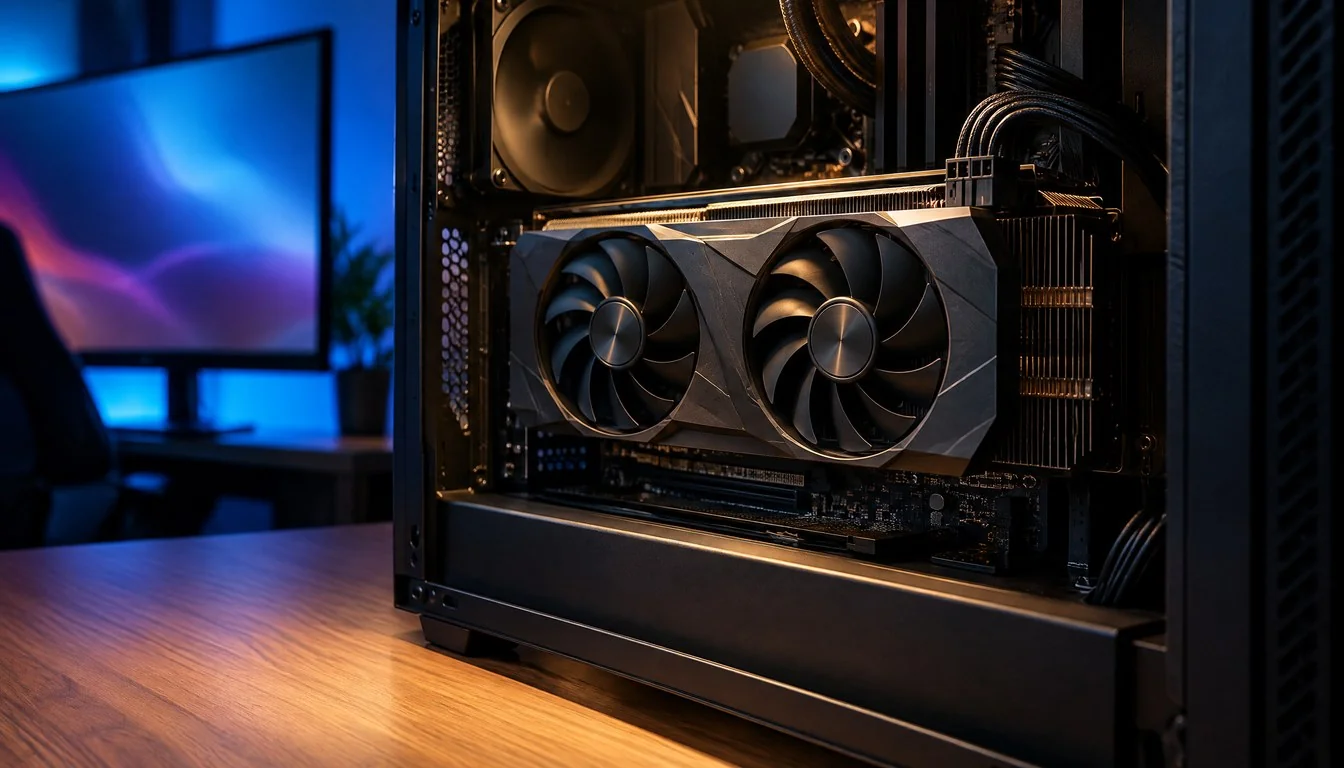
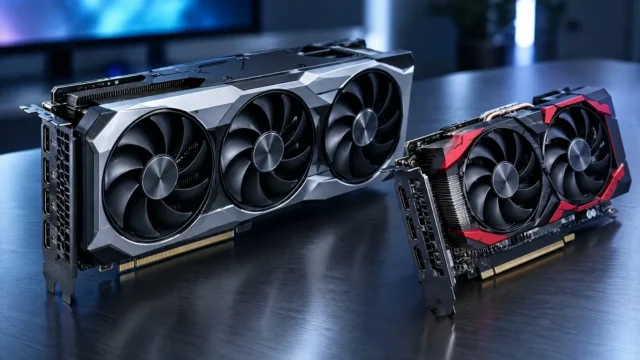
A fresh leak is rippling through the PC hardware world on October 21, 2026, and it is not good news for budget gamers. According to hardware leaker Kepler_L2, posting in a NeoGAF discussion thread, Nvidia’s next mainstream graphics card, informally referred to as the RTX 6060, has a “good chance” of not shipping until 2029. The claim, first flagged by outlets including TweakTown and TechRadar, has set off a wave of coverage because it touches two things PC gamers care about most: when they can afford to upgrade, and whether Nvidia’s cheapest next-generation card will even be worth buying once it arrives.
Nvidia has not announced an RTX 60 series. It has not confirmed a product called the GeForce RTX 6060, published a specification sheet, set a price, or given any public timeline for a successor to the current RTX 5060. Every number attached to this story, including the 2029 figure now spreading across tech forums and comparison threads, originates with a single anonymous leaker and the interpretation layered on top by the outlets covering the claim. That distinction matters, and it is the thread running through everything below.
Don't miss new tech stories on Google
Add TrendinTech once in the Google app and our stories appear in your news suggestions.
What Leaker Kepler_L2 Actually Said About the RTX 6060
The origin of the RTX 6060 delay rumor is a NeoGAF forum post from hardware leaker Kepler_L2, a source regularly cited by sites covering Nvidia and AMD silicon rumors. According to a report from EJS Computers, the thread was actually about PlayStation 6 memory costs when Kepler_L2 pivoted to Nvidia’s release cadence for lower-tier cards. The leaker wrote: “When there’s a supply shortage NVIDIA tends to really drag the release of lower end cards. There’s a good chance RTX 6060 comes out in 2029.”
In a separate comment reported by TweakTown, Kepler_L2 added a second, equally blunt line: “6060 will launch much later (and based on recent trends I doubt it will match PS6).” Neither comment includes a specific shipping date, a chip codename, a memory configuration, or a price. The 2029 figure that has since become the headline number across coverage of this story is, by the reporting outlets’ own framing, an extrapolation rather than a date Kepler_L2 directly stated.
That nuance has gotten lost in some of the secondary coverage, which is worth flagging up front. Readers searching for “RTX 6060 release date” or “RTX 6060 2029” are going to find a lot of outlets treating the extrapolated date as settled fact. It is not. It is a leaker’s forecast about Nvidia’s historical pattern of delaying entry-level GPUs, dressed up with a specific year by the press.
Why Nvidia Has Not Confirmed Anything About the RTX 60 Series
It is worth stating plainly what Nvidia’s public record shows as of October 21, 2026: nothing. There is no RTX 60 series product page, no roadmap slide, no investor-call mention, and no confirmation that “RTX 6060” is even the name the company will use for its next entry-level desktop GPU. Nvidia’s current desktop gaming lineup remains the GeForce RTX 50 series, and the company’s most recent consumer hardware news cycle has centered on RTX Spark, the compact AI workstation PC line that ASUS, Dell, HP, Lenovo, Microsoft, and MSI began shipping globally on October 16, 2026 at a starting price of $2,599.
That RTX Spark launch is a useful data point for understanding where Nvidia’s public attention is right now. The company’s October news cycle has been dominated by AI infrastructure: chip-design partnerships with semiconductor manufacturers, a push into AI-RAN telecom networking with Nokia, and a reported financing arrangement involving Apollo, BlackRock, Blackstone, Brookfield, Goldman Sachs, and KKR intended to mobilize more than $500 billion in AI-compute infrastructure capital. Against that backdrop, a mid-tier gaming GPU three or more years out does not register as a near-term priority for Nvidia’s messaging, which is exactly the kind of gap rumors tend to fill.
None of that means the rumor is wrong. It just means there is no official Nvidia statement to check it against, which is also why outlets covering the story, including TechPowerUp, have consistently labeled it a rumor rather than reporting it as confirmed news.
The RTX 50 Series Launch Timeline, for Context
To understand why a 2029 RTX 6060 would be notable, it helps to lay out how the current RTX 50 series actually rolled out. Nvidia staggered its 50-series launch across more than four months, starting with the flagship cards and ending with the budget tier last.
| Model | Launch Date | US Launch Price | Tier |
|---|---|---|---|
| GeForce RTX 5090 | January 30, 2025 | $1,999 | Flagship |
| GeForce RTX 5080 | January 30, 2025 | $999 | High end |
| GeForce RTX 5070 Ti | February 20, 2025 | $749 | Upper mid range |
| GeForce RTX 5070 | March 5, 2025 | $549 | Mid range |
| GeForce RTX 5060 Ti | May 2025 | $429 (16GB) / $379 (8GB) | Entry performance |
| GeForce RTX 5060 | May 2025 | $299 | Entry/budget |
Notice the gap: the flagship RTX 5090 and RTX 5080 arrived in January 2025, but the RTX 5060 did not land until roughly four months later in May 2025. That stagger between top-tier and budget-tier silicon is exactly the pattern Kepler_L2 is pointing to when arguing that Nvidia could push the RTX 6060 much further behind its higher-end RTX 60 series siblings, especially if memory supply stays tight.
What Is Actually Confirmed Versus What Is Rumor
Given how much speculation is circulating, it is worth separating the confirmed record from the rumor mill in one place.
| Claim | Status as of October 21, 2026 | Source |
|---|---|---|
| Nvidia has announced an RTX 60 series | Not confirmed | No Nvidia announcement found |
| Product will be named “RTX 6060” | Rumor, placeholder name | Leaker commentary |
| RTX 6060 launches in 2029 | Rumor, extrapolated date | Kepler_L2, via TweakTown and EJS Computers |
| RTX 6060 will be slower than PS6 | Rumor, leaker opinion | Kepler_L2, via TweakTown |
| RTX 6060 price or specs | Not confirmed, no data exists | None |
| RTX 50 series remains current lineup | Confirmed | Nvidia GeForce product pages |
The PlayStation 6 Comparison, and Why It Does Not Hold Up Yet
Part of what pushed this story beyond the usual GPU-leak audience is the claim that a future RTX 6060 might not even match the gaming performance of Sony’s PlayStation 6. That comparison is doing a lot of work for a product that does not exist yet, on either side of the equation. Sony has not officially announced a PlayStation 6, confirmed a name for it, set a price, or published GPU specifications. As TechRadar notes in its coverage, “PlayStation 6” itself is an unofficial working name used across leak coverage, with some reports pointing to a 2027 timeframe and others suggesting 2028.
So the actual claim circulating is: an unannounced Nvidia GPU, with no confirmed specs, might underperform an unannounced Sony console, with no confirmed specs, based on one leaker’s read of supply trends and console economics. That is two layers of speculation stacked on top of each other, and it is why outlets like Club386 have been careful to frame the PS6 comparison as a leaker’s prediction rather than a benchmark result.
That said, the underlying logic is not baseless. Console makers typically design around a fixed, subsidized bill of materials and lock in GPU silicon years ahead of launch at negotiated volume pricing, while Nvidia’s budget desktop tier has to compete for the same fab capacity as its far more profitable data center and workstation lines. If Nvidia really does push entry-level RTX 60 series cards out past 2028, a console built on a more current architecture could plausibly outperform a budget GPU that is, by then, built on older process technology.
Supply Shortages and Nvidia’s History of Delaying Budget Cards
The core of Kepler_L2’s argument is not really about the RTX 6060 specifically. It is about a pattern: when GPU memory and fab capacity get tight, Nvidia has historically prioritized its most profitable products first, which is not the entry-level gaming tier. That is a defensible reading of the last several GPU generations, where flagship cards reliably launch months ahead of their $300-and-under siblings, as the RTX 50 series table above shows.
What makes 2026 a plausible moment for that pattern to repeat, or worsen, is the broader memory market. GDDR and HBM supply has been under sustained pressure this year as AI infrastructure buildouts compete for the same DRAM and packaging capacity that feeds consumer GPUs. When wafer allocation and memory chips are scarce, a card that sells for $299 and carries thin margins is always going to lose the allocation fight against a data center GPU that sells for tens of thousands of dollars. That dynamic is exactly what Kepler_L2 is pointing to, even without naming a specific root cause.
Market Impact: What a Multi-Year Wait Would Mean for PC Gamers
If the RTX 6060 really does not arrive until 2029, the practical effect is that the RTX 5060 and RTX 5060 Ti, launched back in May 2025 at $299 and $429/$379 respectively, would need to remain Nvidia’s budget recommendation for roughly four years. That is an unusually long shelf life for an entry-level GPU generation, and it would reshape buying advice across the entire sub-$400 graphics card market.
It would also change the calculus for anyone weighing a current RTX 50 series purchase against waiting. Readers comparing the current flagship RTX 5090 against the RTX 4090 already face this tradeoff at the high end, where Nvidia has reportedly shifted away from a conventional RTX 5090 successor and toward RTX Pro workstation silicon instead. If the pattern extends downward, budget buyers could be stuck choosing between an aging $299 card and a jump to the next tier up, simply because there is no fresh entry-level option to recommend for years at a time.
There is a secondary market impact too: used and discounted RTX 40 series and RTX 50 series cards would likely hold their value longer than usual in the sub-$300 bracket, since there would be no new budget silicon pulling prices down from above. That is good news for anyone shopping secondhand, less good for anyone hoping a 2027 or 2028 refresh would push prices lower.
How This Fits Nvidia’s Broader 2026 Priorities
Looking at Nvidia’s actual announcements this October makes the RTX 6060 rumor easier to place in context. The company has spent the month on RTX Spark PC launches, a chip-design collaboration with semiconductor manufacturing partners, AI-RAN telecom trials with Nokia, and a reported financing push to mobilize hundreds of billions in AI-compute infrastructure capital. Consumer gaming GPUs, while still a meaningful revenue line, are no longer the headline story in Nvidia’s own communications the way they were during the RTX 30 and RTX 40 series eras.
That shift in emphasis is also visible in how Nvidia has handled the high end of its own lineup this year. Readers who followed the earlier report that Nvidia pulled the RTX 5090 and shifted GB202 silicon toward RTX Pro products will recognize the same underlying tension: when the same die can go into a far more profitable workstation or data center part, the consumer gaming SKU is the one that gets squeezed on allocation. If that logic applies at the high end, it is not a stretch for Kepler_L2 to argue it applies even more at the entry-level tier, where margins are thinnest.
Competitive Picture: Where AMD and Intel Stand on Budget GPUs
A multi-year gap in Nvidia’s entry-level lineup would open a window for AMD and Intel, at least in theory. AMD has continued to update its Radeon RX 6000 generation with newer upscaling support, including the FSR 4.1 rollout extending Nvidia-competitive frame generation features to older RX 6000 cards, which keeps that older hardware relevant for budget shoppers for longer. That strategy, extending software support rather than rushing new silicon, is a different approach to the same supply-constrained reality Nvidia is reportedly navigating.
Intel, meanwhile, has focused more of its 2026 energy on CPU platforms and AI accelerator roadmaps than on a dedicated discrete GPU push at the budget tier. If Nvidia genuinely leaves the sub-$400 desktop GPU market without a next-generation refresh for several years, the opening exists for either AMD or Intel to compete more aggressively on price in that bracket, assuming either company can secure the memory and fab allocation Nvidia itself is reportedly struggling to prioritize for that same segment.
Historical Context: Nvidia’s Budget-Tier Release Cadence Over Three Generations
Zooming out across the last three Nvidia desktop GPU generations shows a consistent, if gradually widening, gap between flagship and entry-level launches. The RTX 30 series staggered its budget tier by several months after the flagship. The RTX 40 series repeated that pattern. The RTX 50 series table above shows roughly a four-month gap between the RTX 5090 and the RTX 5060. Kepler_L2’s claim is essentially a bet that this gap, which has widened generation over generation, could stretch from months to years for the RTX 60 series, driven by the same memory and fab-capacity pressure now competing with AI infrastructure demand.
Whether that bet proves right depends on variables nobody outside Nvidia currently has visibility into: how memory supply evolves over the next two to three years, how aggressively the company prioritizes gaming silicon against AI accelerator demand, and whether competitive pressure from AMD or console makers forces Nvidia’s hand on timing.
What Industry Voices Are Saying
The clearest on-record commentary tied to this story so far comes directly from the leaker at its center. Kepler_L2 framed the delay prediction around Nvidia’s supply-allocation habits, telling the NeoGAF audience, as reported by EJS Computers: “When there’s a supply shortage NVIDIA tends to really drag the release of lower end cards. There’s a good chance RTX 6060 comes out in 2029.”
On the performance side of the claim, Kepler_L2’s separate comment, cited by TweakTown, was equally direct: “6060 will launch much later (and based on recent trends I doubt it will match PS6).” Both comments are opinions from a single, frequently cited source rather than statements from Nvidia, Sony, or an independent benchmarking lab, and readers should weigh them accordingly, as nearly every outlet covering the story has taken care to note.
Five Predictions for the RTX 6060 and the Budget GPU Market
- Nvidia is unlikely to confirm or deny the 2029 timeline directly. The company has historically let leaks about unannounced products circulate without comment, reserving official confirmation for a dedicated launch event.
- Expect the RTX 5060 and RTX 5060 Ti to remain Nvidia’s active budget recommendation well into 2027, regardless of exactly when an RTX 6060 ships, simply because no confirmed successor currently exists.
- If flagship and high-end RTX 60 series cards launch around 2028, as some leaker chatter suggests, the gap between that launch and a 2029 entry-level card would be consistent with, and arguably wider than, the roughly four-month stagger seen in the RTX 50 series.
- AMD’s strategy of extending upscaling and frame-generation support to older Radeon hardware, rather than rushing new budget silicon, will likely continue if Nvidia’s entry-level cadence slows further.
- Watch the PlayStation 6 announcement timeline closely. If Sony locks in GPU silicon and a launch window before Nvidia finalizes RTX 60 series entry-level specs, the console could genuinely end up with more current graphics technology than a delayed RTX 6060, lending some credibility to Kepler_L2’s comparison even without confirmed benchmarks.
What Current RTX 50 Series Owners Should Do Right Now
For anyone currently shopping in the sub-$500 GPU bracket, the practical advice does not change much based on this rumor: buy based on what is actually available today, not on a leaker’s forecast about a product three or more years out. The RTX 5060, RTX 5060 Ti, and RTX 5070 remain Nvidia’s confirmed, shipping lineup at those price points, and nothing in this story changes their specs, pricing, or availability.
Gamers who have been tracking the broader console transition should also keep an eye on how the PS5 Pro upgrade cycle played out, since adoption numbers there offer a useful signal for how quickly Sony’s installed base tends to move onto new hardware tiers, which in turn shapes how urgently Sony needs to finalize PS6 silicon.
The Bigger Picture: Console and GPU Hardware Cycles Are Both Slowing
This rumor lands at a moment when hardware refresh cycles across the gaming industry already look stretched. Console hardware sales have cooled broadly this year, with Xbox and PlayStation 5 hardware sales both declining sharply in recent reporting, suggesting console makers are not under intense pressure to rush a next-generation launch. On the PC side, Nvidia’s own public attention has shifted heavily toward AI hardware, evidenced by the RTX Spark launch and the broader infrastructure financing push the company announced this October. Put those two trends together, and a slower, more cautious approach to both PS6 and RTX 60 series timing starts to look less like an isolated rumor and more like where the whole industry is heading.
That broader slowdown also shows up in component supply chains. Reporting on component and chipmaker earnings this quarter, including coverage naming Nvidia, Intel, and Micron among names to watch ahead of recent earnings, points to memory supply as a persistent theme across the semiconductor sector in 2026, reinforcing the idea that a budget GPU’s memory configuration, not just its compute silicon, could be the bottleneck Kepler_L2 is describing.
Frequently Asked Questions
Has Nvidia confirmed the RTX 6060 or an RTX 60 series?
No. As of October 21, 2026, Nvidia has not announced an RTX 60 series or any product officially named the GeForce RTX 6060. The current confirmed Nvidia desktop lineup remains the RTX 50 series.
Where did the 2029 release date for the RTX 6060 come from?
It traces back to a NeoGAF forum comment from hardware leaker Kepler_L2, who said there is a “good chance” the card arrives in 2029 due to Nvidia’s historical pattern of delaying lower-end GPUs during supply shortages. The exact year was an extrapolation reported by outlets covering the comment, not a date Nvidia has stated.
Will the RTX 6060 really be slower than the PlayStation 6?
That comparison is unverified. Neither the RTX 6060 nor the PlayStation 6 has confirmed specifications, and the claim originates from the same leaker’s opinion rather than a benchmark.
What is Nvidia’s current entry-level GPU if the RTX 6060 is delayed?
The GeForce RTX 5060, launched in May 2025 at $299, and the RTX 5060 Ti, launched the same month at $429 for the 16GB model and $379 for the 8GB model, remain Nvidia’s current budget-tier cards.
Who is the leaker behind this claim, and are they reliable?
The claim comes from Kepler_L2, a hardware leaker whose comments on Nvidia and AMD silicon are frequently cited by tech outlets. No official identity, employer, or verified track record has been established beyond that reputation among hardware-focused reporters.
Why would Nvidia delay a budget GPU during a supply shortage?
Entry-level gaming GPUs carry thinner margins than Nvidia’s data center, workstation, and AI accelerator products. When memory and fab capacity are constrained, companies typically prioritize the most profitable products first, which can push budget consumer cards further down the production queue.
Does this rumor affect the RTX 50 series lineup already on sale?
No. The RTX 5090, RTX 5080, RTX 5070 Ti, RTX 5070, RTX 5060 Ti, and RTX 5060 are unaffected by this rumor and remain Nvidia’s current, shipping desktop GPU generation.
Should I wait for the RTX 6060 before buying a budget graphics card?
Given that no confirmed specifications, price, or release date exist, and the most pessimistic rumor points to a 2029 arrival, most buyers shopping today are better served choosing from Nvidia’s currently available RTX 50 series lineup or comparable AMD Radeon cards rather than waiting on an unconfirmed product.
Related Coverage
Owen Castellanos
Owen Castellanos is the Hardware & Gaming Reporter at TrendinTech, where he tests graphics cards, processors, consoles and peripherals and follows the games industry, from the major publishers to independent studios. He writes for readers who want to know whether a product is worth the money, and he is not shy about saying when it is not.
All stories by Owen Castellanos (413)