
Scientists Uncover a Higher State of Consciousness
Neuroscientists from the University of Sussex made a pretty neat discovery as they claim to have just found evidence of a higher state of consciousness. Consciousness is measured on a sliding scale by the diversity of the brain signals given out and ranges from wakefulness to a deep coma, normally.

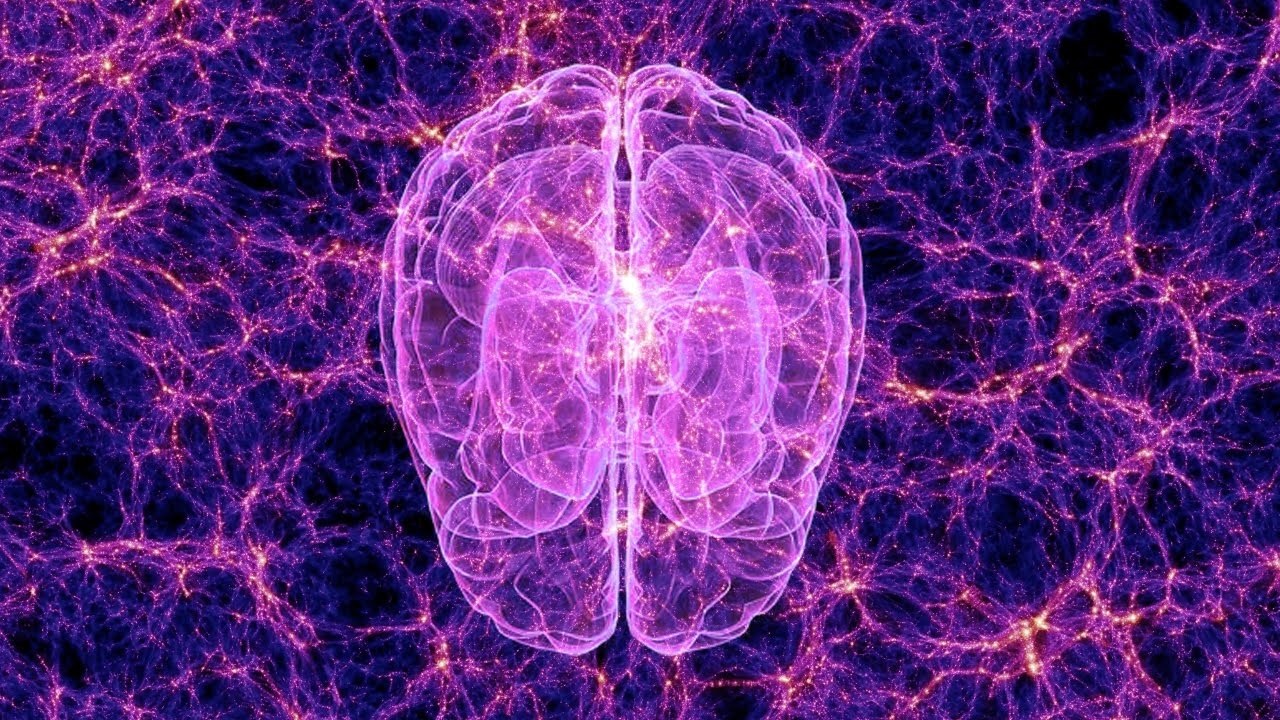
Neuroscientists from the University of Sussex made a pretty neat discovery as they claim to have just found evidence of a higher state of consciousness. Consciousness is measured on a sliding scale by the diversity of the brain signals given out and ranges from wakefulness to a deep coma, normally. However, researchers have now found that when under the influence of certain drugs, that diversity range is well overstepped.
The new research builds upon data that was collated last year from volunteers dosed up on psychedelics who then had they brain’s scanned to see what the effects of the drugs were. Now, researchers are looking to see how a psychedelic state compares to other levels of wakefulness and unconsciousness by monitoring the magnetic fields produced within the brain.
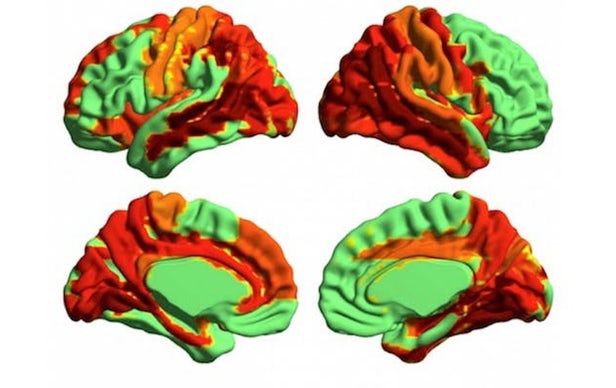
Past research has proved that when someone’s asleep, their brain signals are much less diverse than normal, and this will vary depending on the stage of sleep cycle they’re in. Anil Seth is the corresponding author of the study and he says, “This finding shows that the brain-on-psychedelics behave very different from normal. During the psychedelic state, the electrical activity of the brain is less predictable and less integrated than during normal conscious wakefulness – as measured by global signal diversity. Since this measure has already shown its value as a measure of conscious level, we can say that the psychedelic state appears as a higher level of consciousness than normal – but only with respect to this specific mathematical measure.”
The results of the study also revealed that the more intensive the trip the volunteer experienced, the more diverse their brain signals were. “We found correlations between the intensity of the psychedelic experience, as reported by volunteers, and changes in signal diversity,” confirms Seth. “This suggests that our measure has close links not only to global brain changes induced by the drugs but to those aspects of brain dynamics that underlie specific aspects of conscious experience.”
But, that doesn’t mean to say the team is promoting drug use in any way as higher doesn’t necessarily mean better. Robin Cahart-Harris is another author of the study, and commented, “Rigorous research into psychedelics is gaining increasing attention, not last because of the therapeutic potential that these drugs may have when used sensibly and under medical supervision. The present study’s findings help us understand what happens in people’s brains when they experience an expansion of their consciousness under psychedelics. People often say they experience insight under these drugs – and when this occurs in a therapeutic context, it can predict positive outcomes.”
Related Links;
- Increased spontaneous MEG signal diversity for psychoactive doses of ketamine, LSD and psilocybin / Nature.com
- First evidence for higher state of consciousness found / The University of Sussex
More News to Read
- Are We Too Sitting a Too Close To an Alternate or Parallel Universe?
- New Virus-Identifying Test Produces Amazing Results
- Quantum Computing and What All Good IT Managers Should Know
- New Hope for Premature Babies is on the Way
- Flying Cars!! When Will They Arrive?
Related Coverage
- Our Brain is Sensitive For Social Information
- Scientists Just Made a Major Discovery in Personalized Cancer Treatment
- Research Detects Alzheimer’s Disease Might Have Markers in Apes
- Quantum Entanglement is Just as Einstein Predicted
- Astrophysicists Invent New Way to Measure the Mass of Black Holes
Don't miss new tech stories on Google
Add TrendinTech once in the Google app and our stories appear in your news suggestions.
Owen Castellanos
Owen Castellanos is the Hardware & Gaming Reporter at TrendinTech, where he tests graphics cards, processors, consoles and peripherals and follows the games industry, from the major publishers to independent studios. He previously wrote reviews and benchmarks for Tom's Hardware and contributed features to PC Gamer, covering everything from laptop testing to the economics of game development. Owen holds a Bachelor of Science in Electrical Engineering from the University of Texas at Austin and attends CES in Las Vegas, Computex in Taipei and the Game Developers Conference in San Francisco each year to meet chipmakers and developers. He writes for readers who want to know whether a product is worth the money, and he is not shy about saying when it is not.
All stories by Owen Castellanos (252)