
Research Detects Alzheimer’s Disease Might Have Markers in Apes
A new study carried out by scientists at Kent State University revealed how the human brain is more similar to that of a primate’s brain that we previously thought, specifically in regards to proteins present that are linked with Alzheimer’s disease.

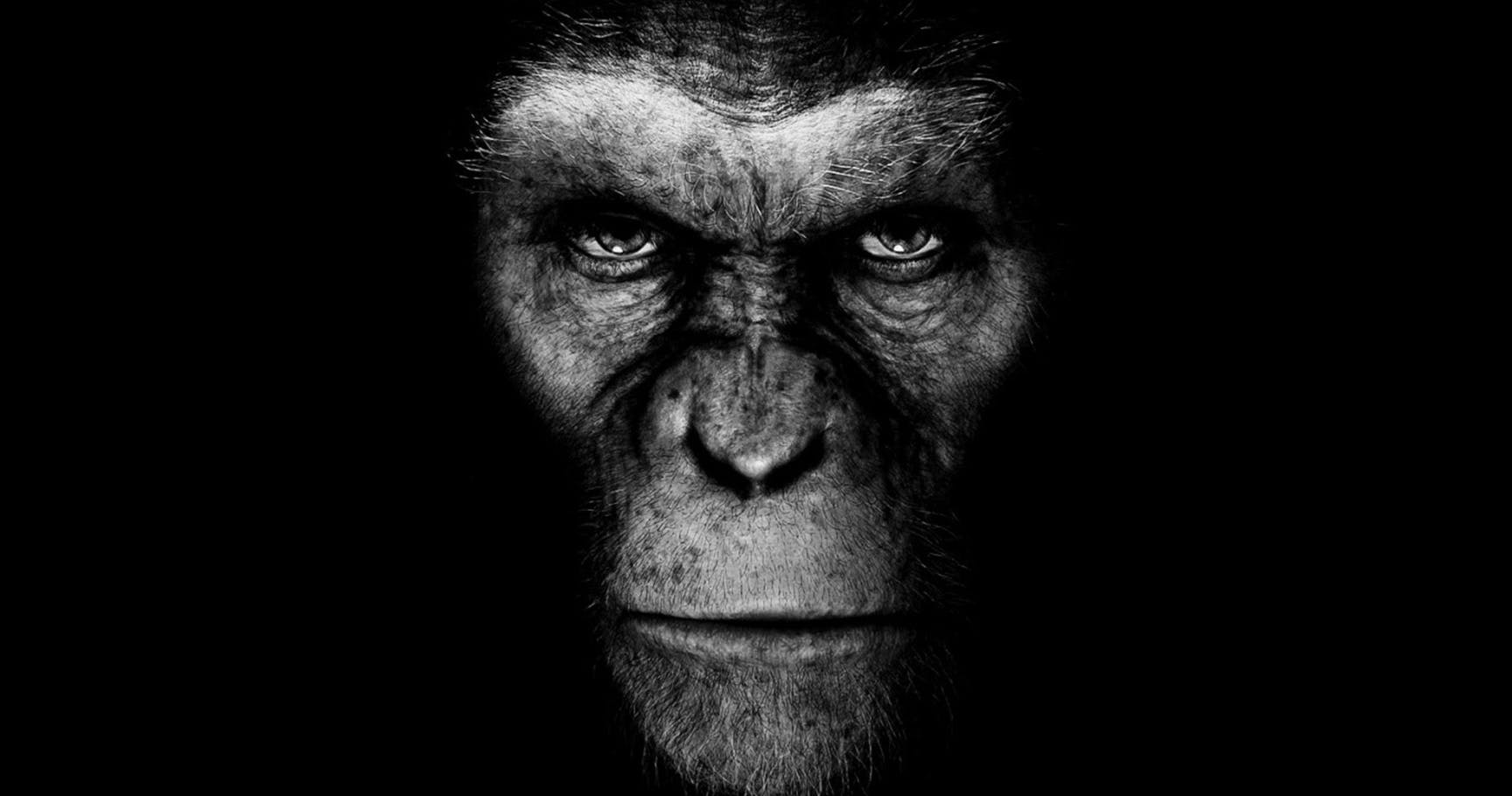
A new study carried out by scientists at Kent State University revealed how the human brain is more similar to that of a primate’s brain that we previously thought, specifically in regards to proteins present that are linked with Alzheimer’s disease. These are amyloid beta and tau. The paper published by the team in Neurobiology of Aging, suggests that the detection of both of these proteins in aged chimpanzees means that Alzheimer’s is not limited to the human brain.
There are many suggestions as to why humans are more susceptible to Alzheimer’s than other species. Maybe it’s because of the genetic differences from other primates, or changes to the human brain during evolution.
Maybe it’s because we have a longer lifespan. To get a true comparison of an elderly chimps brain to an elderly human is not that easy, simply because finding a chimp aged over 60 is rare. Out of the 20 chimpanzees used in the study, 8 were males aged between 39-62, while 12 were females aged between 37-58.
On conclusion of the study, senior author Mary Ann Raghanti, lead author Melissa Edler, and the rest of the research team found significant evidence of amyloid beta and tau lesions in the same area of the brain that is affected by Alzheimer’s in humans. While these results do prove to be promising, they are still inconclusive as currently rely on autopsy results as opposed to cognitive testing in which to get the data. To date, there are no studies that use this data and autopsy results from the same ape to distinguish any differences between normal and pathologic aging. “This research underscores the value of basic, comparative research in advancing our understanding of disease etiology and therapeutic targets,” said program director for NSF’s Biological Anthropology program, Rebecca Ferrell.
More News to Read
- MAG-LEV Audio: Futuristic Technology Meets an old Format
- New Grant Allocated to Imperial College Professor to Research Incurable Lung Disease
- Larger Artificial Cell Membrane Help Scientists Observe Proteins
- Meet Compectus – the World’s First Rollable Keyboard
- Is Graphene the Key to Making Low-Cost Disease Diagnostic Systems?
Related Coverage
- Marijuana Removes Plaque-Forming Alzheimer’s Proteins From Brain Cells
- Scientists Discover Brain Vessel Disease Links To Alzheimer’s
- A Look Inside a Psychopath’s Brain
- Larger Artificial Cell Membrane Help Scientists Observe Proteins
- Scientists Uncover a Higher State of Consciousness
Don't miss new tech stories on Google
Add TrendinTech once in the Google app and our stories appear in your news suggestions.
Daniel Okafor
Daniel Okafor is the Senior AI Reporter at TrendinTech, where he covers large language models, machine learning research and the practical use of artificial intelligence across business and government. He previously reported on artificial intelligence for MIT Technology Review, covering the labs behind the current generation of frontier models and the policy debates in Washington and Brussels. Daniel holds a Master of Science in Machine Learning from Carnegie Mellon University and follows the research community closely, attending NeurIPS and ICML each year to speak with the people behind the papers. He has a particular interest in evaluation: how models are benchmarked, where those benchmarks fail and what that means for the companies betting on them.
All stories by Daniel Okafor (316)