
Potential Treatment Discovered for Controlling Bleeding Brains After Strokes
Certain immune cells within the body are responsible for fighting against germs within the body. These are called neutrophils. A recent study carried out reveals how as well fighting against germs, these immune cells have the ability to act as medics and carry out repairs within the body too.

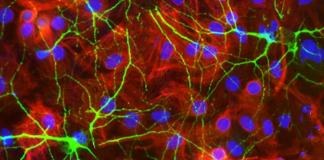
Certain immune cells within the body are responsible for fighting against germs within the body. These are called neutrophils. A recent study carried out reveals how as well fighting against germs, these immune cells have the ability to act as medics and carry out repairs within the body too.
This was demonstrated by studying rodents. During the study, researchers found that rather than attack the germs, some neutrophils helped to heal the brain after an intracerebral hemorrhage has occurred. This is a form of stroke that’s caused by ruptured blood vessels, and researchers figure they can use these cells to create some form of treatment for intracerebral hemorrhages.
“Intracerebral hemorrhage is a damaging and often fatal form of stroke for which there are no effective medicines,” explained Jaroslaw Aronowski, M.D., Ph.D., senior author of the study and professor of neurology at the University of Texas Health Science Center at Houston. “Our results are a hopeful first step towards developing a treatment for this devastating form of stroke.”
These hemorrhages account for around 10 to 15 percent of all strokes and happen when blood vessels burst and bleed into the brain. Quite often this will lead to long-term disability or death. The leading risk factor for this type of stroke is chronic high blood pressure. Years and years of research has told us that neutrophils are some of the earliest immune cells to respond when there’s a hemorrhage taking place. In this latest study, researchers discovered that a protein that controls the activity of immune cells, called interleukin-27 (IL-27), may actually transform the role of the neutrophils to help the brain recover.
Researchers were able to see during the research that injecting the mice with IL-27 after a hemorrhage, helped them to recover. Within days of the stroke, the mice had vastly improved mobility. They also demonstrated how injections of an antibody blocking natural IL-27 slowed the rate of recovery. Those mice that had been treated with IL-27 also showed less damage.
“This study shines a spotlight on the critical role the immune system may play in helping the brain heal after a hemorrhage or stroke and opens new avenues for stroke treatment strategies,” said Jim Koenig, Ph.D., program director at the NIH’s National Institute of Neurological Disorders and Stroke. The results of the study suggested that the brain secretes high levels of IL-27 after a hemorrhagic stroke, which leads to the second wave of neutrophils coming in that are filled with larger amounts of healing molecules.
About an hour after the hemorrhage, IL-27 levels were raised in the brain and blood of the mice and remained that way for three days. Once these molecules were released, they appeared to travel to the mice’s bones where they infiltrated the marrow and altered the role of the neutrophils to help in response to the stroke. “Our results suggested that IL-27 links the brains to the bones,” said Dr. Aronowski. “We can use these results as a source for ideas for developing potential treatments for hemorrhagic stroke.”
The researchers were also able to demonstrate how the protein lactoferrin may also help protect the brain from intracerebral hemorrhagic strokes. Rodents that were given this protein 30 minutes after hemorrhages recovered much faster and had less damage than those who received nothing. “Lactoferrin appears to have a long treatment window,” said Dr. Aronowski. “This means lactoferrin might one day be used to help patients recover from intracerebral hemorrhage.”
More News to Read
- Are Enzymes the Answer to Curing Diseases Such as Cancer and Diabetes?
- NASA’s First 3D Printed Rocket Part is Ready for Testing
- New Breakthrough, Now Cells Can Be Programmed to Fight Disease
- Researchers Discover Bacteria Can Damper the Effects of Chemotherapy
- Physicists Decipher Magnetic Ordering in New MultiFerroic Material
Related Coverage
- New Experimental Drug Kills Cancer Cells When Combined With Chemotherapy
- Researches Revealed a New Clinically Tested Drugs that Inhibits the Growth of Tumours
- Gaining a Deeper Understanding of the Relationship Between DNA and Cell Function
- This New Research May Slow Down, and Even Halt, the Spread of Cancer Cells
- Researchers Discover the Human Body’s Internal Clock
Don't miss new tech stories on Google
Add TrendinTech once in the Google app and our stories appear in your news suggestions.
Rachel Kowalski
Rachel Kowalski is the Cybersecurity Analyst at TrendinTech, where she covers vulnerabilities, ransomware, supply chain attacks, nation-state operations and the security rules shaping organizations in the United States and Europe. Before moving into journalism she worked as a threat intelligence analyst at a security vendor and later reported for CyberScoop and the security desk at Wired, covering the SolarWinds compromise and the ransomware wave that hit hospitals and pipelines. Rachel holds a Master of Science in Cybersecurity from the Georgia Institute of Technology and attends Black Hat and DEF CON in Las Vegas each year, where she follows research from the security community. She writes to make risks and countermeasures understandable to people who are not specialists.
All stories by Rachel Kowalski (214)