
New Experimental Drug Reverses Memory Loss due to Brain Injury
A study recently published in the Proceedings of the National Academy of Sciences found that ISRIB, a new drug, even when used weeks after the initial injury, can restore memory and learning functions in mice after traumatic brain injury (TBI).

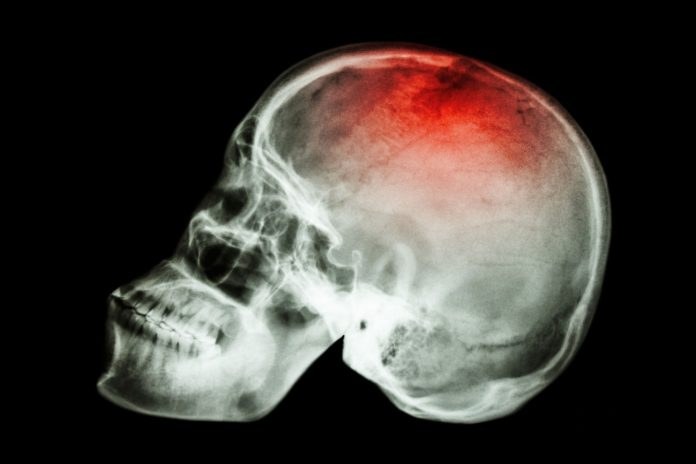
A study recently published in the Proceedings of the National Academy of Sciences found that ISRIB, a new drug, even when used weeks after the initial injury, can restore memory and learning functions in mice after traumatic brain injury (TBI).
With almost two million TBI victims in the U.S. each year, the new drug offers a lot of hope for treatment where other drugs have failed. Since TBI can also cause Alzheimer’s and other types of dementia, ISRIB has the potential to treat these diseases as well.
In the study, mice with focal contusions, which hinders spatial memory, and mice with concussive brain injuries, which tampers with memory capabilities, were both aided by ISRIB. Both types were tested in various abilities, including maze solving and swimming, before and after drug doses. The mice with TBIs, who struggled with the tests initially, performed just as well as normal mice after receiving treatment and kept their abilities and memory even when only a trace of ISRIB remained in the body.
The drug works by inhibiting Integrated Stress Response, or ISR, which reduces the speed of DNA translation after an injury. When ISRIB blocks ISR it allows DNA translation to resume normally. However, scientists are are still investigating the mechanism behind ISRIB’s action and are unsure why this aids in memory retention and brain repair at the moment.
Despite the promise ISRIB offers many more trials and tests lie ahead before it can be used to treat human patients but researchers are optimistic about its future.
More News to Read
- Why Does Adobe Flash Need to Die?
- Breaking Ground in Neutrino Physics Research with the Biggest Neutrino Detector yet
- UM’s New Nanoparticle Research Could Lead to Cloaking Technology
- Does Physical Activity Affect the Brain’s Aging Process?
- Gaining a Deeper Understanding of the Relationship Between DNA and Cell Function
Related Coverage
- Researchers Discover the Human Body’s Internal Clock
- New Experimental Drug Kills Cancer Cells When Combined With Chemotherapy
- Scientist Identified a Portion of the Brain that Intensified the Desire For Cocaine
- Can This New Heart Model Save Muscles During Heart Attack?
- Study Showed that Plants Triggers Cannibalism on Caterpillars
Don't miss new tech stories on Google
Add TrendinTech once in the Google app and our stories appear in your news suggestions.
Owen Castellanos
Owen Castellanos is the Hardware & Gaming Reporter at TrendinTech, where he tests graphics cards, processors, consoles and peripherals and follows the games industry, from the major publishers to independent studios. He previously wrote reviews and benchmarks for Tom's Hardware and contributed features to PC Gamer, covering everything from laptop testing to the economics of game development. Owen holds a Bachelor of Science in Electrical Engineering from the University of Texas at Austin and attends CES in Las Vegas, Computex in Taipei and the Game Developers Conference in San Francisco each year to meet chipmakers and developers. He writes for readers who want to know whether a product is worth the money, and he is not shy about saying when it is not.
All stories by Owen Castellanos (252)