
New Bacterium Discovered That Can Nucleate Ice
“Ice nucleation is a physical process that is of fundamental importance for the water cycle since it contributes to the formation of precipitation in clouds,” confirms Boris Vinatzer, a professor of plant pathology, physiology, and weed sciences in the Virginia Tech College of Agriculture and Life Sciences.

“Ice nucleation is a physical process that is of fundamental importance for the water cycle since it contributes to the formation of precipitation in clouds,” confirms Boris Vinatzer, a professor of plant pathology, physiology, and weed sciences in the Virginia Tech College of Agriculture and Life Sciences.
A recent paper published in the International Society for Microbial Ecology Journal by Vinatzer details how finding this new molecule will allow scientists to gain a much deeper insight into the process of ice nucleation. Although scientists first discovered this process back in the 70’s, all bacteria found since then used the same mechanism too. What these bacteria all had in common was that they all possessed the same protein called the ice nucleation activity (INA) protein. One of these bacteria is actually used today to produce snow at some ski resorts.
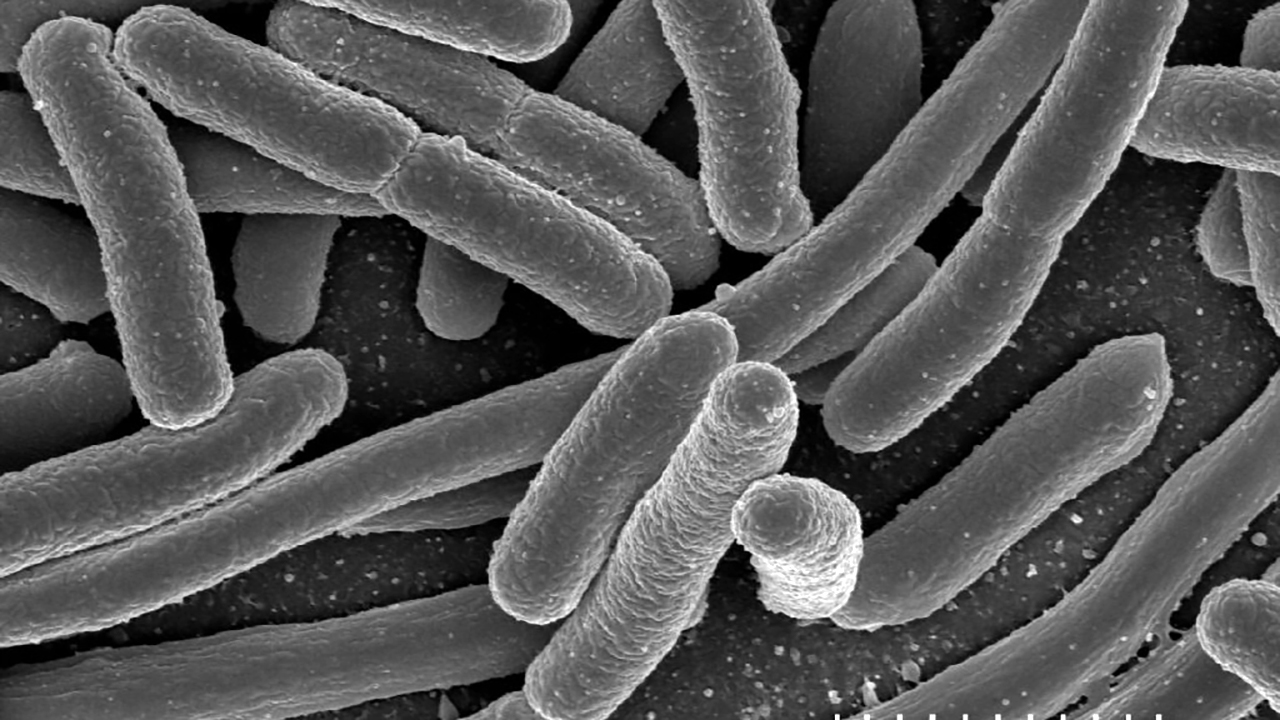
The bacterium that Vinatzer and colleagues found is called Lysinibacillus and is the first of its kind that can nucleate ice but doesn’t encode the INA protein. Instead, it secretes a non-protein filled molecule into its environment.
The team discovered the new bacterium among rainwater that was collected over a course of 15 months from 23 different storms. They were samples that had been collected from three separate locations near Blacksburg, Virginia. As well as the Lysinibacillus bacterium the researchers also discovered hundreds of other types of bacteria that can nucleate ice and so were able to gain new knowledge regarding the genetics of those too.
The next move now for the researchers is to identify the molecule. Professor David G. Schmale is another author on the paper and he said, “Once discovered, the molecule could be used in the future for snow making or even weather modification.”
More News to Read
- Disney has Developed a Software That Makes it Easy to Animate Characters
- Take A Closer Look at Bacterial Biofilm Machines
- Research Confirms Diabetes is Linked to Problems the Oral Microbiome
- New Observation Results of the Sun Surprises Astronomers
- Most Accurate Measurements of Dark Matter and Dark Energy Revealed by Dark Energy Survey
Related Coverage
- Researchers Discover the Human Body’s Internal Clock
- Researchers Observe Diamond Showers on Neptune
- Are Vitamins and Supplements Really as Good as We Think at Lowering the Risk of Heart Disease?
- Newly Discovered State of Matter 3D Quantum Liquid Crystals May Used in Future Quantum Computers
- New Grant Allocated to Imperial College Professor to Research Incurable Lung Disease
Don't miss new tech stories on Google
Add TrendinTech once in the Google app and our stories appear in your news suggestions.
Yusuf Demir
Yusuf Demir is the Cloud & Software Reporter at TrendinTech, where he covers cloud infrastructure, enterprise platforms, developer tools and the digital transformation of businesses in the UK and the United States. He previously reported on enterprise technology for The Register in London and covered the cloud and SaaS beat for TechCrunch, following the competition between AWS, Microsoft Azure and Google Cloud, the open source licensing disputes and the rise of Kubernetes. Yusuf holds an MEng in Computing from Imperial College London and speaks regularly at KubeCon and AWS re:Invent, where he moderates conversations with engineers and chief technology officers. He is most interested in the gap between vendor roadmaps and the systems engineers actually run, and in what the cloud bill looks like once the free credits expire.
All stories by Yusuf Demir (294)