
Are Enzymes the Answer to Curing Diseases Such as Cancer and Diabetes?
Different enzymes have different roles within the body. While we were already aware that phosphatidic acid phosphate has a vital role in regulating the amount of fat within the body, scientists have now found that it also has close links to diseases such as cancer and diabetes.

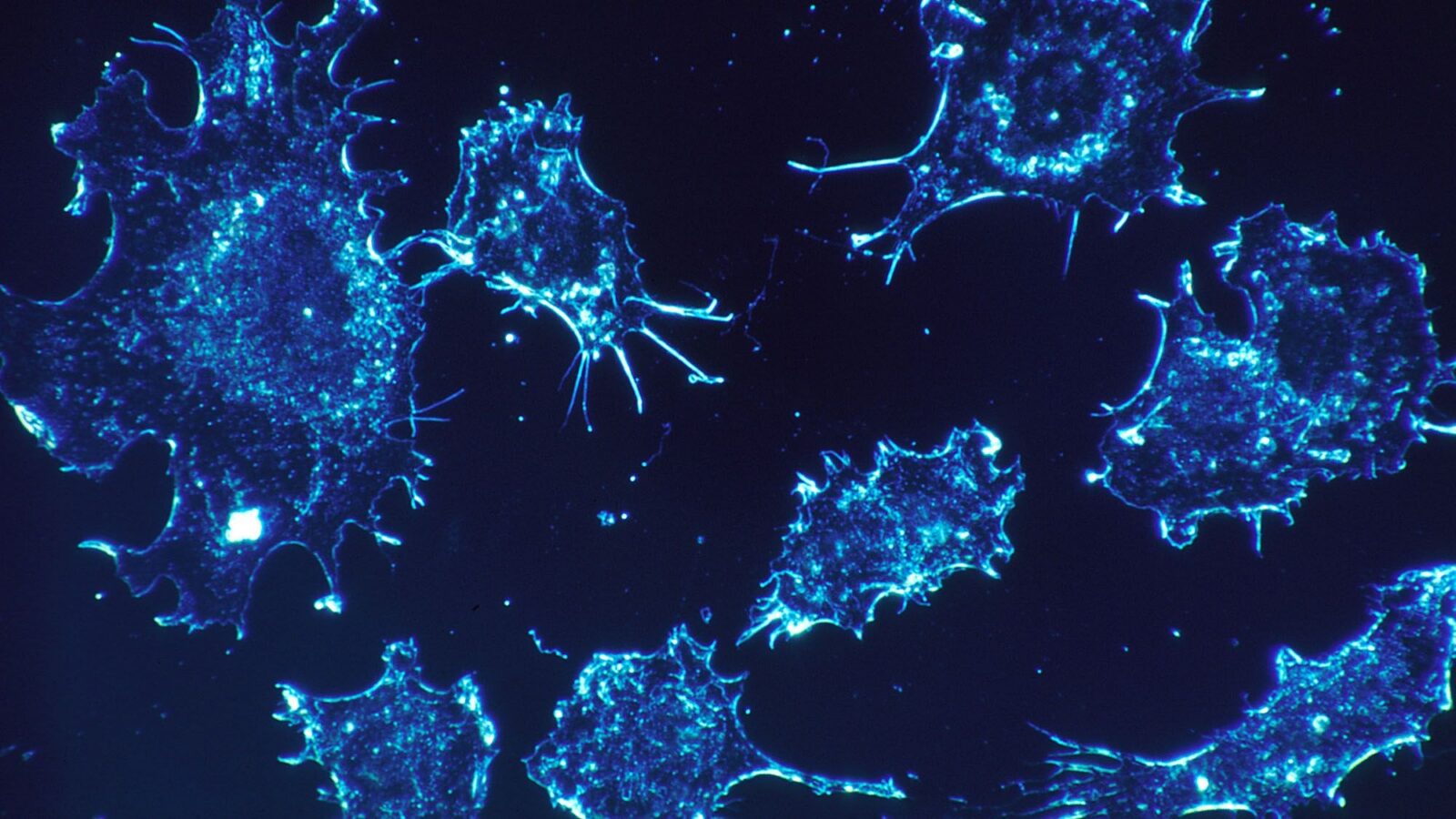
Different enzymes have different roles within the body. While we were already aware that phosphatidic acid phosphate has a vital role in regulating the amount of fat within the body, scientists have now found that it also has close links to diseases such as cancer and diabetes. During a recent study, it’s come to light that by eradicating this enzyme can increase the risk of cancer, diabetes, inflammation and more and could be the answer we’re looking for when it comes to finding a cure for these conditions.
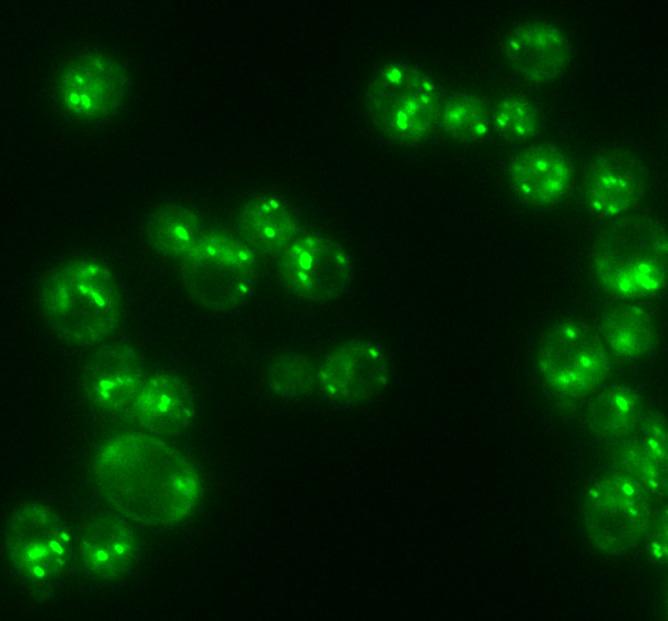
“The goal of our lab is to understand how we can tweak and control this enzyme,” confirmed George M. Carman, Board of Governors professor in the Department of Food Science in the School of Environmental and Biological Sciences. “For years, we have been trying to find out how to fine-tune the enzyme’s activity so it’s not too active, and creating too much fat, but it’s active enough to keep the body healthy.” Researchers discovered the enzyme back in 1957. Then, in 2006, Gil-Soo Han, research assistant professor in the Rutgers Center for Lipid Research discovered the gene that encodes phosphatidic acid phosphate.
This enzyme has the critical role of regulating fat within the body and has to determine whether the body’ phosphatidic acid will be used to create lipids in the cell membrane or used to create fat instead. During the 2006 study, Han used baker’s yeast to model the organism as it too contains this enzyme. Han eliminated the enzyme by deleting a particular gene in the yeast. In doing so, phosphatidic acid accumulated and cells began to produce an excess of membrane lipids.
“We have found that may be a more critical role for an enzyme is to make sure that cells are not making too much membrane lipid,” said Carman. “If you make too much membrane lipid, you make too much membrane, and the cells are permitted to grow uncontrollably, a condition characteristic of cancer.” Since discovering the gene responsible for encoding the enzyme, worldwide studies have been conducted in its association with obesity, inflammation, diabetes, lipodystrophy, as well as other conditions.
More News to Read
- Researchers Discover the Human Body’s Internal Clock
- Astronomers Detect Titanium Oxide for the First Time in Exoplanet WASP-19b
- Virtual Reality Travel Experiences That Will Blow Your Mind
- Astronomers Discover Fluctuations in Brightness of Unique Binary Star System
- Dark Energy Debate Takes Another Turn Thanks to New Supernova Analysis
Related Coverage
- Are Twinkling Little Enzyme’s the Answer to Curing Cancer?
- Sleeping Immune Cells Can Be ‘Woken Up’ to Fight With the Most Deadly Cancers
- Now You Can Help Scientists Study Connection Between Body Bacteria and Autoimmune Diseases
- Artificial Intelligence Helps to Identify Cancer Cells Based on Blood Samples
- Researchers Have Developed a Prototype Smart Pill to Diagnose and Treat Diseases
Don't miss new tech stories on Google
Add TrendinTech once in the Google app and our stories appear in your news suggestions.
Owen Castellanos
Owen Castellanos is the Hardware & Gaming Reporter at TrendinTech, where he tests graphics cards, processors, consoles and peripherals and follows the games industry, from the major publishers to independent studios. He previously wrote reviews and benchmarks for Tom's Hardware and contributed features to PC Gamer, covering everything from laptop testing to the economics of game development. Owen holds a Bachelor of Science in Electrical Engineering from the University of Texas at Austin and attends CES in Las Vegas, Computex in Taipei and the Game Developers Conference in San Francisco each year to meet chipmakers and developers. He writes for readers who want to know whether a product is worth the money, and he is not shy about saying when it is not.
All stories by Owen Castellanos (252)