
Smart Medical Tattoos That Change Color When a Problem is Detected
A new wave of health monitoring is about to hit the market with thanks to Harvard and MIT researchers with their development of ‘smart’ tattoo ink. This ink has special properties, and these aren’t like any normal tattoos.

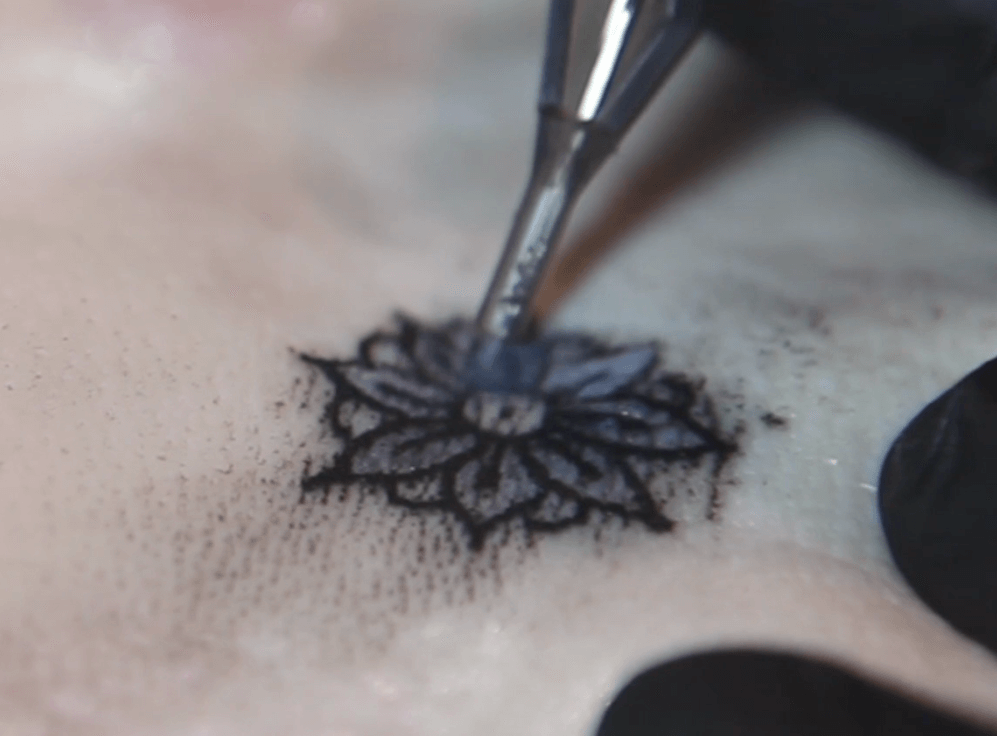
A new wave of health monitoring is about to hit the market with thanks to Harvard and MIT researchers with their development of ‘smart’ tattoo ink. This ink has special properties, and these aren’t like any normal tattoos. Instead, there like wearable medical devices that are always attached and constantly monitor vital signs to pick up on any problems real-time. They can be beneficial to athletes to indicate dehydration or a person with diabetes to alert the sufferer if there’s a rise in their blood sugar.
The team behind the work consists of two postdoctoral fellows at Harvard Medical School and colleagues at MIT’s Media Lab. Together they combined the likes of traditional tattoo artistry with biosensitive inks to come up with a way over overcoming some of the limitations of other biomedical monitoring devices. One of the issues with current wearable devices is that they don’t always integrate properly with the body, battery life is often very limited, and there’s also the need for integrated wireless connectivity. With biosensitive tattoo ink, none of this matters.
Dermal Abyss is the name given to the project and was conducted purely as a proof of concept. In order to use the product as a medical product, it would need to undergo further refinements, including stabilizing inks to ensure they don’t fade. But, there is certainly hope for the future. The inks change color depending on the chemical composition of the body’s interstitial fluid. So far the team has managed to develop some that change from green to brown as glucose levels rise and green that gets more intense as sodium levels rise, indicating dehydration.
Once any minor pitfalls have been worked out the team are hopeful the ink will be used across the board. Eventually, we may have long-lasting tattoos for chronic conditions, and shorter lasting ones when only temporary monitoring is needed. The tattoos could even be made invisible and only able to be seen under a certain light.
More News to Read
- New Joint Initiative Between Imperial and Kings College London Boosts Artificial Cell Design
- Check Out New Features of Mars Rover 2020
- Astronomers Image Material That Obscures Black Holes
- A New Concept of Terrestrial Planet Formation Proposed
- Hydrogel Casts Could Become the New Way to Control Bleeding Disorders
Related Coverage
- BeeLine New Smart Navigation for Bikes
- Harvard’s Organ Chip Project Aims to Develop New Influenza Therapies
- Is Bitcoin Better than Gold? In a Few Years, it Probably Will Be
- Hacker Will Try to Get Your Financial info by Using Facebook
- Is that Possible to Make a Self Healing Tire? Even While Driving!!
Don't miss new tech stories on Google
Add TrendinTech once in the Google app and our stories appear in your news suggestions.
Helena Marsh
Helena Marsh is the Editor-in-Chief at TrendinTech, where she leads editorial strategy and oversees coverage across artificial intelligence, cybersecurity and enterprise technology. With more than a decade in technology journalism on both sides of the Atlantic, she previously served as a senior editor at Wired UK and covered the technology sector for The Guardian, following the rise of the big platforms, the Cambridge Analytica scandal and the regulatory push from Brussels and Washington. Helena holds an MA in Journalism from City, University of London and is a regular speaker at Web Summit in Lisbon and CES in Las Vegas. She believes technology reporting should be rigorous and plainly written, so readers understand what actually changes for them rather than what a company's announcement promises.
All stories by Helena Marsh (201)