
How Can We Limit the Harmful Effects of Energy Drinks?
Energy drinks are popular not just in the United States, but all over the world, and while one or two may not do any harm, excessive consumption might. Different countries have different rules when it comes to the sale of energy drinks, and some see no harm in dishing them up to youngsters.

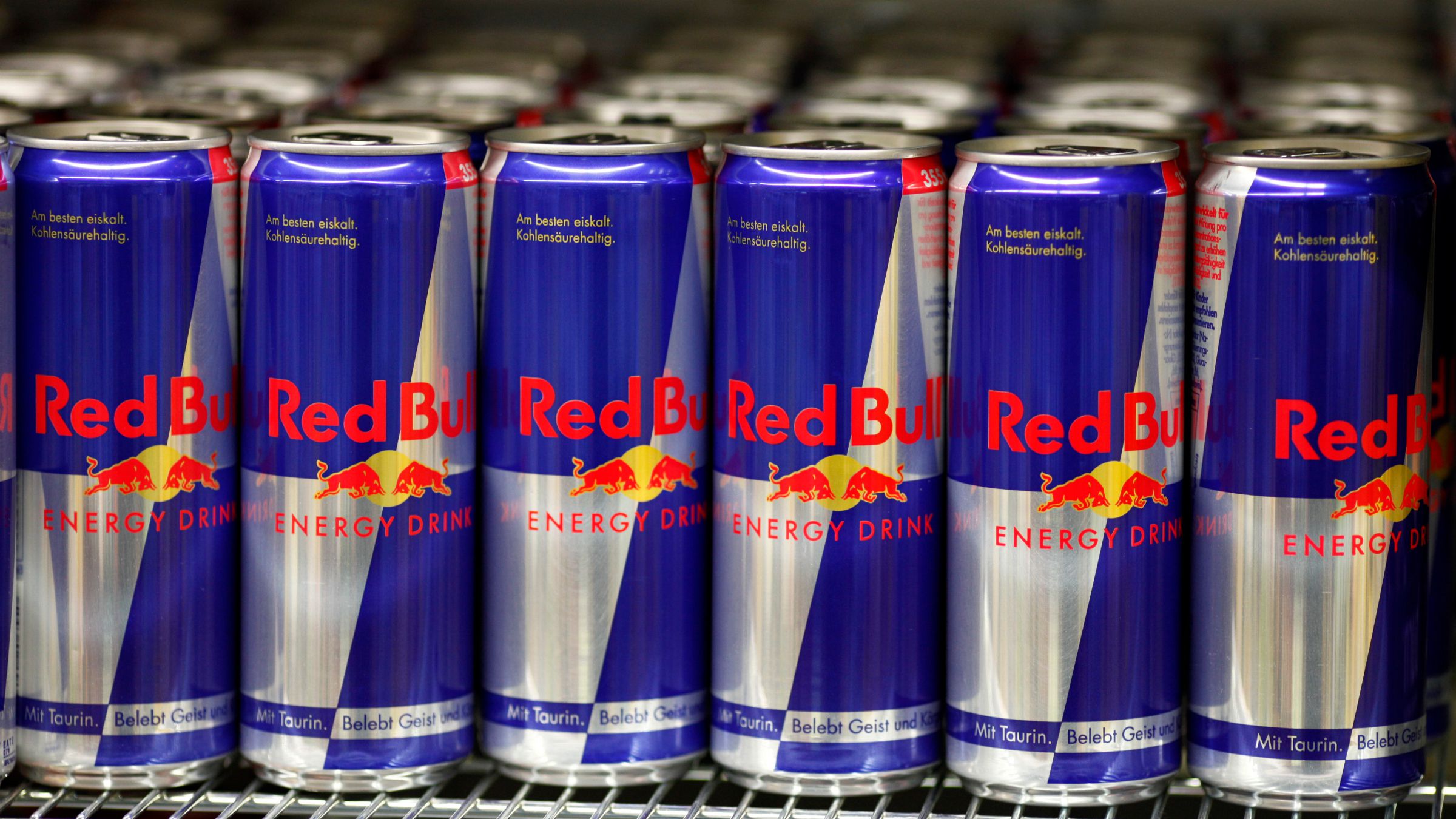
Energy drinks are popular not just in the United States, but all over the world, and while one or two may not do any harm, excessive consumption might. Different countries have different rules when it comes to the sale of energy drinks, and some see no harm in dishing them up to youngsters. So instead of trying to fight them off, the best we can do is to try and educate youngsters on the harmful effects these drinks can have and let them make their own decision as to reduce consumption of them. Other strategies suggested to try and deter young people from energy drinks included changing the packing, the price, and their visibility.
The energy drink industry is huge and generates on average more than $30 billion per year across 160 countries. The problem is that these drinks can cause adverse side effects including anxiety, headaches, cardiac abnormalities, nausea, seizures, sleep difficulties, and even sudden death. According to data released by the United States and Australia, adverse reactions to energy drinks are on the rise in adolescents, hence the need to take action.
“We found confusion surrounding energy drinks, which suggests educational campaigns are needed to increase young people’s knowledge,” said lead author Jacinta Francis, Ph.D., of Telethon Kids Institute, Perth, Australia. “Likewise, interventions are needed to raise awareness about potential consequences of energy drinks and promote alternative ways to improve energy levels, such as good nutrition, physical activity, and adequate sleep.”
The study consisted of 41 participants being interviewed as groups, separated by age. There were eight interviews conducted in total lasting 30 to 50 minutes each. All of the participants were familiar with energy drinks, with some of them having previously consumed them in large amounts. Although most people were aware that the drinks contained caffeine and sugar, most were unsure as to how they induced energy. All age groups also found it difficult to say whether they classed sports drinks, coffee or soft drinks like energy drinks also.
Results from the study confirmed the main reason for people buying these drinks was for the perceived increase in energy they were supposed to give. Second to that was tasty, but for some, it was found to be a deterrent. Another deterrent was an understanding of the health effects and ingredients. Not all participants were affected by energy drinks, but even those that didn’t know someone who had been. Peer pressure also influences adolescents to consume these drinks as do social norms and parental beliefs. Advertisements, free giveaways, and promotions also add to the encouragement to consume these drinks.
Following on from the interviews, participants came up with five ways in which to try and reduce young people’s consumption of these harmful energy drinks:
- Restrictions on the sale of energy drinks
- Making the packaging less attractive to young people
- Increasing the price
- Reducing their visibility in stores
- Carrying out research and educating others
More News to Read
- Engineers Develop World’s Most Functional and Flexible Transistor
- Smart Medical Tattoos That Change Color When a Problem is Detected
- Is There a Way for Type 1 Diabetes Sufferers to Ditch the Needle?
- Fast Radio Bursts Demystified With the Help of IceCube Neutrino Detector
- The Ultimate Form of Selfie is Here and it’s is in 3D
Related Coverage
- New Way to Harvest Wind Power Comes in the Form of Fake Trees
- Which Country Does Adversely Affect The World’s Climate Mostly?
- Why FBI needs Apple’s Help to Bypass a Simple 4 Number Security Code
- Researchers Discover Response in Liver Could Actually Help Treat Alcoholism
- Robotics Get Even Bigger for South Korea
Don't miss new tech stories on Google
Add TrendinTech once in the Google app and our stories appear in your news suggestions.
Owen Castellanos
Owen Castellanos is the Hardware & Gaming Reporter at TrendinTech, where he tests graphics cards, processors, consoles and peripherals and follows the games industry, from the major publishers to independent studios. He previously wrote reviews and benchmarks for Tom's Hardware and contributed features to PC Gamer, covering everything from laptop testing to the economics of game development. Owen holds a Bachelor of Science in Electrical Engineering from the University of Texas at Austin and attends CES in Las Vegas, Computex in Taipei and the Game Developers Conference in San Francisco each year to meet chipmakers and developers. He writes for readers who want to know whether a product is worth the money, and he is not shy about saying when it is not.
All stories by Owen Castellanos (252)