
Europe Takes Quantum Computing to the Next Level With this Billion Euro Project
The race on quantum technologies is on in a big way. We’ve already seen big investments coming from both China and the United States, and now Europe is jumping in on the action too.

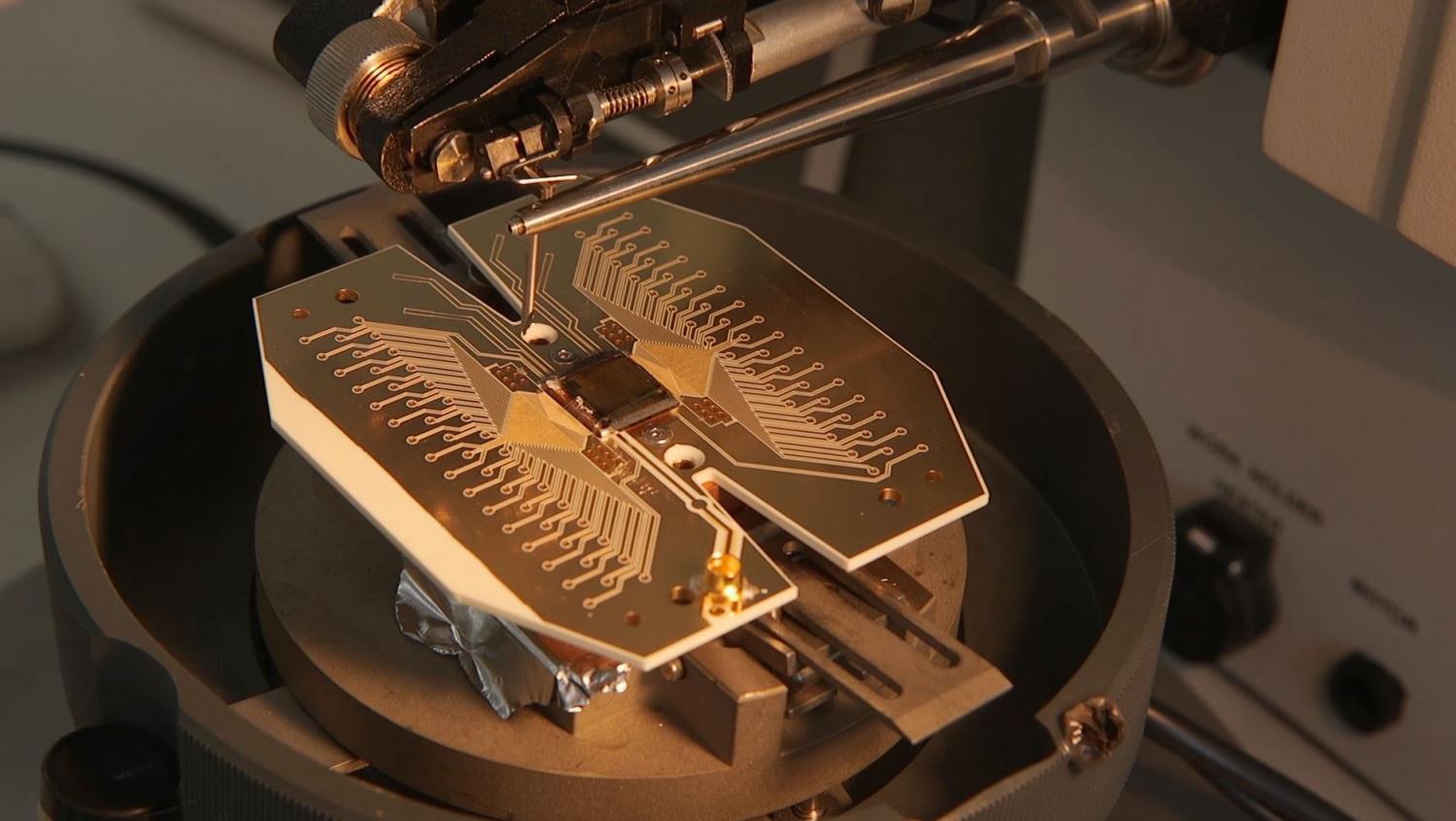
The race on quantum technologies is on in a big way. We’ve already seen big investments coming from both China and the United States, and now Europe is jumping in on the action too. Last year the European Commission announced its plans to invest 1 billion Euros ($1.1 billion) into quantum mechanic research. However, experts are concerned that partners are reluctant to invest.
A meeting was held by an advisory group steering the Quantum Technology Flagship project on 7 April at the Russian Centre of Science and Culture in London. Here the group gave details of how the project will work which includes exploiting the behavior shown by quantum systems in order to develop new technologies such as ultra-accurate sensors and super-secure communication systems. But is it too little too late? Various other countries are already developing these technologies, including China and the U.S.
“Europe cannot afford to miss this train,” says Vladmir Buzek, a member of the steering group and physicist at the Research Center for Quantum Information of the Slovak Academy of Sciences in Bratislava. “The industry here is really waiting too long.” Launched just last year, this quantum project is a decade-long initiative that will work differently to previous efforts, operating with open calls throughout to ensure flexibility in funding the best researchers. The focus of the European Flagship will be on four distinct areas of quantum technologies: communication, sensing, computing, and simulation.
China is clearly in the lead currently when it comes to quantum communication. They hold the most patents globally in this field with the United States leading to patents involving quantum computers and ultrasensitive sensors. One of the big problems Europe face is the loss of the United Kingdom following the Brexit vote. The project is due to kick off the same year as the United Kingdom are due to exit the European Union (2019). But experts suggest the timing may actually be a good thing and are hopeful the United Kingdom can still participate in some form.
More News to Read
- China’s New Type of Quantum Computing Device, Built Inside a Diamond
- Going Back to the Origin of the Cosmic Microwave Background
- Differences Between Bohmian Mechanics and Quantum Mechanics
- Saving the Planet Will Create $12 trillion a year in market opportunities
- Six Mysteries of The Galaxy
Related Coverage
- 3D Printing Goes to the Next Level With Map Printing
- Could HyperLoop Become the New Way To Travel in Europe?
- The Race for Space Colonization Starts with NASA’s Lunar Station Plans
- Trump May Destroy Apple’s Future iPhone Sales in China
- Scientists Unfold a New Quantum Theory of Gravity
Don't miss new tech stories on Google
Add TrendinTech once in the Google app and our stories appear in your news suggestions.
Yusuf Demir
Yusuf Demir is the Cloud & Software Reporter at TrendinTech, where he covers cloud infrastructure, enterprise platforms, developer tools and the digital transformation of businesses in the UK and the United States. He previously reported on enterprise technology for The Register in London and covered the cloud and SaaS beat for TechCrunch, following the competition between AWS, Microsoft Azure and Google Cloud, the open source licensing disputes and the rise of Kubernetes. Yusuf holds an MEng in Computing from Imperial College London and speaks regularly at KubeCon and AWS re:Invent, where he moderates conversations with engineers and chief technology officers. He is most interested in the gap between vendor roadmaps and the systems engineers actually run, and in what the cloud bill looks like once the free credits expire.
All stories by Yusuf Demir (294)