
Enhance The Human Memory
Ever watched near future series Black Mirror? In it, there is an episode where it is possible to watch your life in perfect detail just like a movie by placing an implant behind the ear.

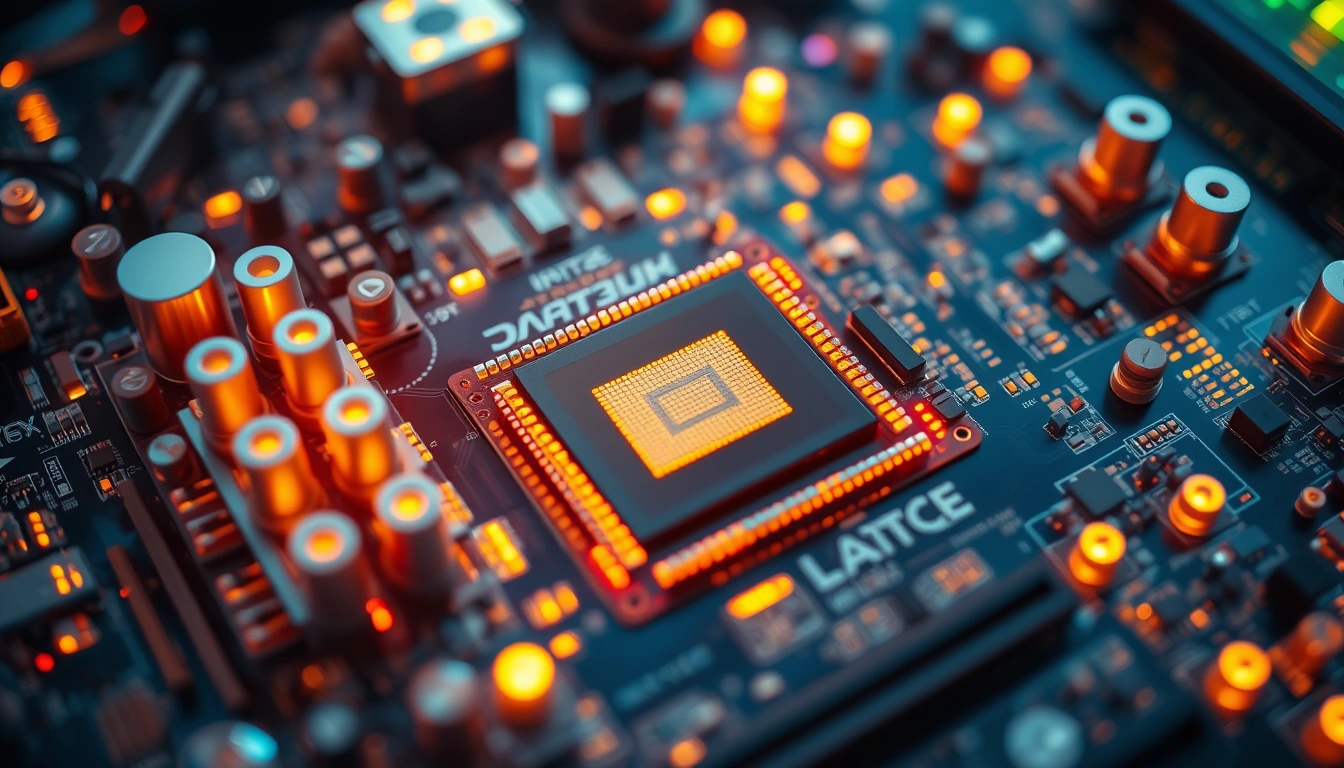
Ever watched near future series Black Mirror? In it, there is an episode where it is possible to watch your life in perfect detail just like a movie by placing an implant behind the ear.
Biomedical engineer Theodore Berger is developing something similar—a memory prosthesis. Although this is not yet a reality, it cannot yet be fully ruled out. Berger’s device will be surgically implanted directly into the hippocampus, enabling it to mimic its function. Thus, electrically stimulating the brain to form live memories.
For now, this device has only been tested on lab rats and monkeys. But there is hope that eventually it will work on humans too. Playing the tone repeatedly on a rabbit makes it blink (almost similar to Pavlov’s famous salivating dogs). Berger observed changes in the rabbit’s hippocampus and noted active engagement that involved modifying firing pertain by the training as observed by Gregory Clark, Berger’s former mentee.
According to Berger, the firing pertain is a space-time code and is defined by where the neurons are in the brain, as well as when they fire. The research is limited in not understanding why that space-time code is what of the rest of the brain can recognize and used as long term memory.
Berger has managed to mathematical model use by the hippocampus in converting short-term memory into long-term memory. Sing the general rule, Berger developed artificial hippocampus for rats. Using this improved mathematical model, Berger and team continually teach rats to complete memory tasks.
After improvement, the prosthesis was used in rhesus monkeys using their prefrontal cortex. The result was improved memory function in the monkeys. However, whether this method will work on humans is yet to be discovered. The human brain is made up of billions of neurons and trillions of connections. Thus, finding the right technology to make everything work comes as a huge challenge. This is still a problem observed even in cochlear.
Currently, a new startup called Kernel is synching up with Berger with an aim to introduce the implant as a medical device. There are still a lot of bridges to cross with regulatory agencies especially the FDAs regulatory grasp. For now, the world waits and watches.
More News To Read
- Breakthroughs in Bioprinting Could Soon Bring Us 3D Printed Kidneys and its Parts
- Solar Farms Could Become the Way of Our Future
- The Search for Dark Matter Continues
- IBM Research Aims to Make More Efficient Chips for Laptops and Smartphones With This…
- The Rise of Codeless Computer – An End of Programming Elitists!?
Related Coverage
- The Technology Behind The Movie Deadpool
- Is that Possible to Make a Self Healing Tire? Even While Driving!!
- Drone Catcher is Ready to Hunt the Bad Drones
- Should Humans Be Worried About the Rise In Robots?
- Will Half-Life Universe’s Fate be like Star Wars?
Don't miss new tech stories on Google
Add TrendinTech once in the Google app and our stories appear in your news suggestions.
Yusuf Demir
Yusuf Demir is the Cloud & Software Reporter at TrendinTech, where he covers cloud infrastructure, enterprise platforms, developer tools and the digital transformation of businesses in the UK and the United States. He previously reported on enterprise technology for The Register in London and covered the cloud and SaaS beat for TechCrunch, following the competition between AWS, Microsoft Azure and Google Cloud, the open source licensing disputes and the rise of Kubernetes. Yusuf holds an MEng in Computing from Imperial College London and speaks regularly at KubeCon and AWS re:Invent, where he moderates conversations with engineers and chief technology officers. He is most interested in the gap between vendor roadmaps and the systems engineers actually run, and in what the cloud bill looks like once the free credits expire.
All stories by Yusuf Demir (294)