
Does the Solution to the Power Crisis lie in Wireless Space-based Solar Power?
Space-based Solar Power (SBSP) is a concept that’s been around since the 1970’s, but due to the large payload that’s needed to launch it into space, it’s never been done.

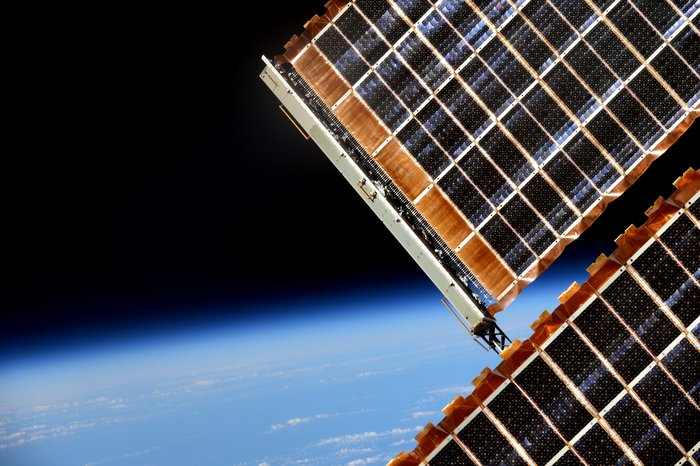
Space-based Solar Power (SBSP) is a concept that’s been around since the 1970’s, but due to the large payload that’s needed to launch it into space, it’s never been done. But, the current power crisis calls for something to be done as even in countries like India where there are sunlight 365 days a year, it’s still only there for part of the day.
What makes SBSP so great is that in outer space, there’s virtually no night time so their efficiency is second to none. The Japan Aerospace Exploration Agency (JAXA) is one organization that’s been actively working on developing this technology and has created a 25-year roadmap that plans to have an orbital solar farm in place, sending as much as 1 gigawatt of power back to the Earth, by the 2030’s. However, they are faced with the same payload issue and have estimated that to generate just one gigawatt of power a solar collector weighing at least 10,000 metric tons would be needed.
The next issue to get over lies in getting the power back down to Earth as no cable can be used to do this. Suggestions have been made by the Japanese to introduce some kind of space elevator that would make use of carbon nano-tubes to transmit power back, but the whole idea is even further away from reality than SBSP. Microwaves are another idea that’s been mentioned when it comes to getting power back to Earth and in 2015 JAXA successfully transmitted 1.8 kilowatts over a distance of 55 meters, using microwaves. Efficiency is high while losses in transmissions remain low.
This method of beaming energy could be used in other applications too. Mitsubishi has already announced how it intends to use it to transmit power to electric vehicle charging in the future. It could also be used in generating and distributing power, reducing the need for high-tension power cables. As a result, we’d see a much more efficient grid, resulting in cheaper more reliable electricity supply. Now that we’ve got the ideas, we just need to make it happen.
Related Links;
- The idea of solar panels circling Earth and beaming down power is gaining traction / IEEE Spectrum
- Japanese scientists make breakthrough in wireless energy transmission / The Japan Times
- Beam it Down, Scotty! / NASA
More News to Read
- Is the Future of Helicopters in Bell’s New Concept Aircraft?
- Are Electric Vehicles Too Quiet?
- Sneak Preview into The New York International Auto Show 2017
- How Fast Are Quantum Computers Really?
- Storing Wind Power in Stones as Hot Air, How is that Possible?
Related Coverage
- Capturing Solar Power in Space, Then Send it Down to Earth
- Wireless Power Transmission: The Missing Link for Space-Based Solar Power
- App Makers Fight For a Space On Your Mobile Keyboards
- Environmental Protection Agency: Tighter Controls Are Needed For Fracking
- SolarTab, A Giant Solar Panel With 13.000 mAh Battery
Don't miss new tech stories on Google
Add TrendinTech once in the Google app and our stories appear in your news suggestions.
Helena Marsh
Helena Marsh is the Editor-in-Chief at TrendinTech, where she leads editorial strategy and oversees coverage across artificial intelligence, cybersecurity and enterprise technology. With more than a decade in technology journalism on both sides of the Atlantic, she previously served as a senior editor at Wired UK and covered the technology sector for The Guardian, following the rise of the big platforms, the Cambridge Analytica scandal and the regulatory push from Brussels and Washington. Helena holds an MA in Journalism from City, University of London and is a regular speaker at Web Summit in Lisbon and CES in Las Vegas. She believes technology reporting should be rigorous and plainly written, so readers understand what actually changes for them rather than what a company's announcement promises.
All stories by Helena Marsh (201)