
Breakthrough IBM Z Mainframe Promises to Stop Data Theft
Since 2013, nearly 9 billion digital records, a third of which are medical in nature, have been compromised, according to data from IBM, and only 4 percent of the stolen data was encrypted.

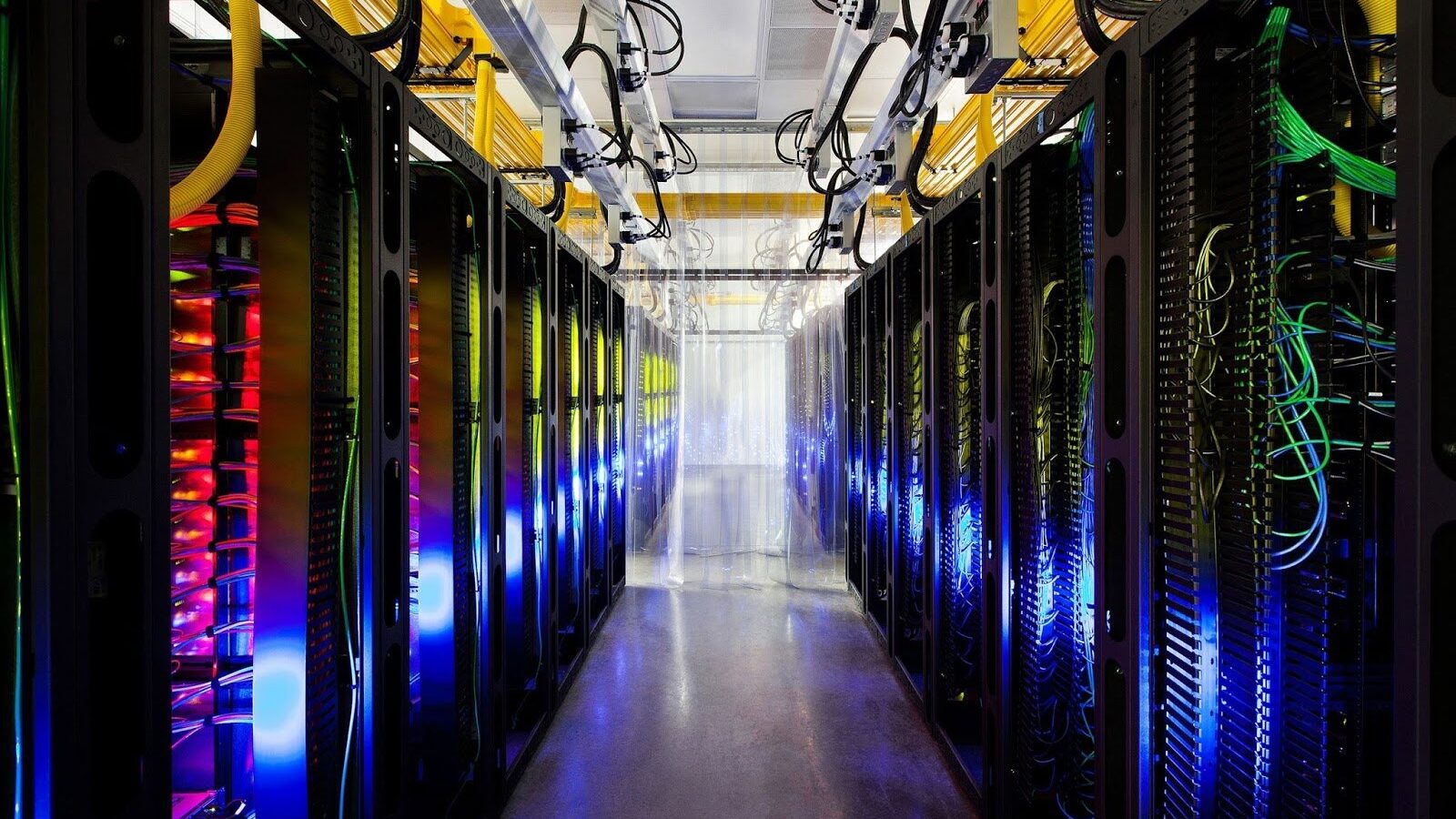
Since 2013, nearly 9 billion digital records, a third of which are medical in nature, have been compromised, according to data from IBM, and only 4 percent of the stolen data was encrypted.
Hackers infiltrate the mainframes of organizations and businesses looking for sensitive personal information like social security numbers, passwords, and credit card numbers to sell or use on the dark web. Thorough data encryption is the key to prevent such attacks or thefts, but too often encryption is not utilized or complete enough.
When companies don’t spring for high-level cryptology, that is encryption that can’t be hacked; it leaves data vulnerable to industrious hackers who know that the poorly secured information will be worth the extra effort it takes to break the weak encryption.
However, the latest mainframe from IBM promises to thwart such attacks. The IBM Z is made with the most up-to-date hardware and software in order to offer superior encryption while still allowing easy access for users who need it.
In the past, the processing power required for consistent encryption was prohibitive. But the IBM Z mainframe boasts up to 24 chips with speed to encrypt 13 gigabytes per second per chip, and with 400 percent more dedicated to encryption than ever before it is truly impressive. Additionally, it secures data with 256-bit AES encryption, the same protocol utilized in TLS and SSL web standards and is secure enough to be used by the U.S. government to protect classified data.
Another feature the new mainframe has its ability to keep information encrypted at almost all times, except for the few moments it is being used, unlike most current systems that have many weak spots from the backend, including possibly in the network os itself and other points in the workflow of transactions.
At the same time, administrative access is reduced by the mainframe, meaning fewer people will be allowed access to the raw information, cutting off even more entry points for malicious intruders. Also, the IBM Z comes complete with granularity so that when access is permitted to authorized users, only the amount of data needed for operation is revealed rather than the entirety of the encrypted data.
All this is not to say that the IBM Z mainframe is completely impervious, nothing is entirely secure or future-proof. Also, if the company is not already using a mainframe, then the IBM Z may be irrelevant. But in can help individual companies keep up with current and increasing US Federal Information Processing Standards, protecting their data and reaping possible economic booms at the same time.
More News to Read
- Could Bacteria-Coated Nanofiber Electrodes be Key to Cleaning Polluted Water?
- First Earth to Orbit Quantum Teleportation Completed
- Quantum Particle Discovery Destroys Previous Results
- Companies use AI and the Internet of Things to go Green and Save Money
- Does General Relativity Need Dark Energy?
Related Coverage
- Data Recovery Gets Easier Thanks to IBM’s New Data Protection Software
- Researchers Continue to Use Graphene to Improve Medical Technology
- U.S. On Track for Record High Use of Renewable Energy
- Facebook ‘s Advertising Revenue is $ 4.3 Billion
- Converting Largest Coal Plant in North America to Solar Farm
Don't miss new tech stories on Google
Add TrendinTech once in the Google app and our stories appear in your news suggestions.
Rachel Kowalski
Rachel Kowalski is the Cybersecurity Analyst at TrendinTech, where she covers vulnerabilities, ransomware, supply chain attacks, nation-state operations and the security rules shaping organizations in the United States and Europe. Before moving into journalism she worked as a threat intelligence analyst at a security vendor and later reported for CyberScoop and the security desk at Wired, covering the SolarWinds compromise and the ransomware wave that hit hospitals and pipelines. Rachel holds a Master of Science in Cybersecurity from the Georgia Institute of Technology and attends Black Hat and DEF CON in Las Vegas each year, where she follows research from the security community. She writes to make risks and countermeasures understandable to people who are not specialists.
All stories by Rachel Kowalski (214)