
7 Interesting Neuroscience Facts
There’s a lot to be learned from Neuroscience, but without studying the subject for a vast amount of time, how could you ever get to the bottom of it?

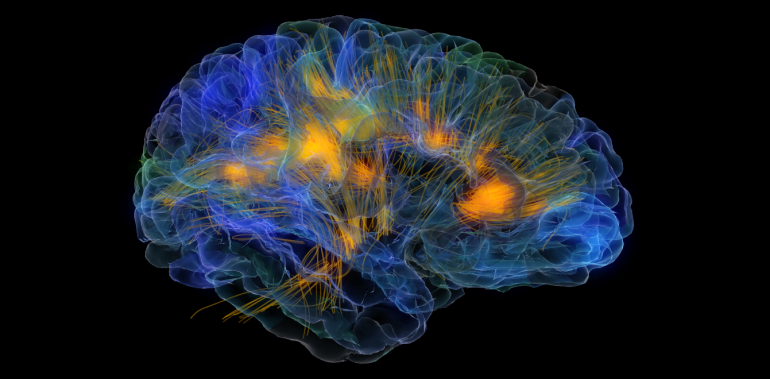
There’s a lot to be learned from Neuroscience, but without studying the subject for a vast amount of time, how could you ever get to the bottom of it? You probably couldn’t. But, does this mean we are missing out on some very valuable information that could otherwise benefit us in our lives? Possibly. But, the first step is to do some light reading, and here is a great place to start. So, just read on for seven interesting facts about neuroscience that may or may not just help you out one day.
1. Capgras syndrome ( Opposite of Deja Vu ) is a problem that has its sufferers believing that familiar people are in fact foreign, and this can even include mirror images of themselves!

2. Our minds are quite capable of convincing themselves of things that aren’t true. For example, some people suffer from a syndrome – Body integrity identity disorder – that has them believing that one of their limbs doesn’t belong to them.
3. It’s possible for consciousness to be sub-divided and in split-brain patients (i.e. Schizophrenia and hypnosis sufferers) each side of the brain is separate from the other.

4. Optical illusions can easily fool, and we are a victim of our own imaginations. All the objects that we perceive in the world are constructs of the brain.
5. Behavior, including the drive behind our goals and desires, is an automatic process. For Example; you can operate a vehicle on the highway and at the same time you may daydreaming.

6. We only really see the world through a narrow visual portal, hence why you move quickly things become blurry. What we should be seeing is a white space until our eyes and brain have readjusted and filled in the gaps, but instead, we see a blurred picture of the last image.

7. Regardless of intelligent, we are, or how fast we think on our feet, our neurons move incredibly slow and only signal a few times every second. A computer, on the other hand, will firm at around 1 billion operations per second.
More News To Read
- This Study Might Be The Answer of Treating Short-Term Memory Problems or Diseases Like…
- Architects in Singapore Create Stunning Eco-Friendly Tropical Tower
- Why Do People React Differently to the Same Drug?
- Can Machine Learning Be Used to Solve Social Problems?
- The Starbucks App Just Got Even Cooler With Artificial Intelligent
Related Coverage
- Now You Can Help Scientists Study Connection Between Body Bacteria and Autoimmune Diseases
- Scientists Uncover A New Material That Could Transform Solar Power Use
- Studying Astronaut Health Could Benefit Medicine for All
- Four Free Simple Steps To Become A Good Photographer
- The Link Between LSD and Music
Don't miss new tech stories on Google
Add TrendinTech once in the Google app and our stories appear in your news suggestions.
Rachel Kowalski
Rachel Kowalski is the Cybersecurity Analyst at TrendinTech, where she covers vulnerabilities, ransomware, supply chain attacks, nation-state operations and the security rules shaping organizations in the United States and Europe. Before moving into journalism she worked as a threat intelligence analyst at a security vendor and later reported for CyberScoop and the security desk at Wired, covering the SolarWinds compromise and the ransomware wave that hit hospitals and pipelines. Rachel holds a Master of Science in Cybersecurity from the Georgia Institute of Technology and attends Black Hat and DEF CON in Las Vegas each year, where she follows research from the security community. She writes to make risks and countermeasures understandable to people who are not specialists.
All stories by Rachel Kowalski (214)