
How Drones are Changing the World as We Know It
Over the past few years, the use of drones in both a commercial and a personal environment has risen considerably. One area, in particular, that seems to have benefited largely from the introduction of drones is within the realms of data collection.

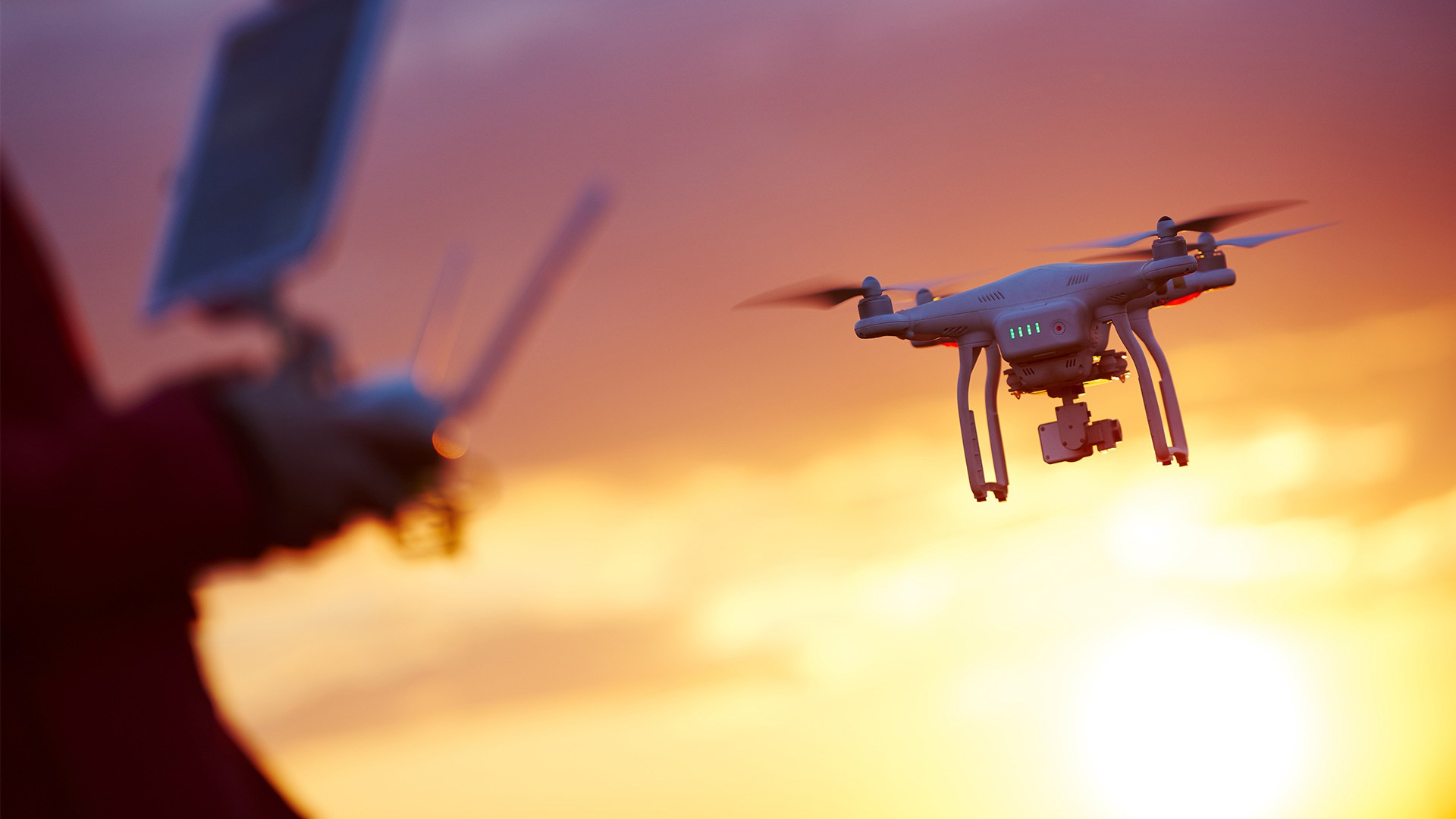
Over the past few years, the use of drones in both a commercial and a personal environment has risen considerably. One area, in particular, that seems to have benefited largely from the introduction of drones is within the realms of data collection. Through the use of these robotic flying machines, teams can monitor and survey large areas of land more efficiently without impacting any of the landscape or their own safety.
However, some people do have some concerns over the potential safety, ethics, and security issues that may come with these drones. To help ease some of those concerns, Oxford University’s Centre for Technology and Global Affairs teamed up with various drone companies to discuss the potential models for governing these devices while in the skies.
These were also some of the things discussed at the very first ‘Robotics Skies Workshop: The Role of Private Industry and Public Policy in Shaping the Drones Industry’. It was a chance to get policymakers, practitioners, and experts from the government, industry, and academia to discuss the upcoming regulatory challenges faced by the Unmanned and Autonomous Aerial Vehicles (UAVs & AAVs) industry.
Some of the main points discussed were things like advancements in geofencing, the use of drones as a service, raising awareness as to the safe use of drones, and Unmanned Traffic Management (UTM). Key speakers at the event included Jessie Mooberry, Head of Deployment with Altiscope from Airbus, Matthew Baldwin, Deputy Director-General of Mobility and Transport from the European Commision, and Christian Struwe, Head of Public Policy Europe at DJI.
“I am pleased to see that the first workshop on the future of autonomous drones perfectly fulfills the Oxford Centre’s long-term vision to serve as a powerful policy-building hub for the beneficial development of breakthrough technologies,” says Artur Kluz, the Centre’s Founding Donor. Jessie Mooberry commented: “By convening industry, government, academia, and civil service, Robotic Skies fostered necessary deep and wide conversations about the role of automation on our airspace as well as the physical and digital infrastructure required to enable this future.”
The Centre provides a place where collaboration takes place and resolutions are found. Robotic Skies is a great way to bridge the gap between researchers and policymakers across the world and is the first of many planned events to be held at the Centre.
More News to Read
- It’s Raining on the Self-Driving Car Parade
- How a Collision with the Sausage Galaxy Made the Milky Way What it is…
- How the Brain Understands What We See and Knows the Right Action to Take
- Neuroscientists Shed Light on the Role of Certain Genes Associated With Alzheimer’s
- Neuroscientists Shed Light on the Role of Certain Genes Associated With Alzheimer’s
Related Coverage
- Meet Robo R2 – The High Performance 3D Printer With WiFi
- Dwindling Supplies of Rare Earth Metals Hinder China’s Shift from Coal
- Most Popular Uses of Blockchain in Mobile Applications
- International Team Proposes New Quantum Technology to Help Transfer Data from Light to Matter
- Now You Can Help Scientists Study Connection Between Body Bacteria and Autoimmune Diseases
Don't miss new tech stories on Google
Add TrendinTech once in the Google app and our stories appear in your news suggestions.
Helena Marsh
Helena Marsh is the Editor-in-Chief at TrendinTech, where she leads editorial strategy and oversees coverage across artificial intelligence, cybersecurity and enterprise technology. With more than a decade in technology journalism on both sides of the Atlantic, she previously served as a senior editor at Wired UK and covered the technology sector for The Guardian, following the rise of the big platforms, the Cambridge Analytica scandal and the regulatory push from Brussels and Washington. Helena holds an MA in Journalism from City, University of London and is a regular speaker at Web Summit in Lisbon and CES in Las Vegas. She believes technology reporting should be rigorous and plainly written, so readers understand what actually changes for them rather than what a company's announcement promises.
All stories by Helena Marsh (201)