
With Robots All Around Us, Where Do We Fit In?
Robots are being used for many different tasks today, and soon everyone will encounter them on a daily basis. Whether it is during a banking transaction, or compiling your weekly grocery list artificial intelligence will soon become a part of the furniture and as useful…

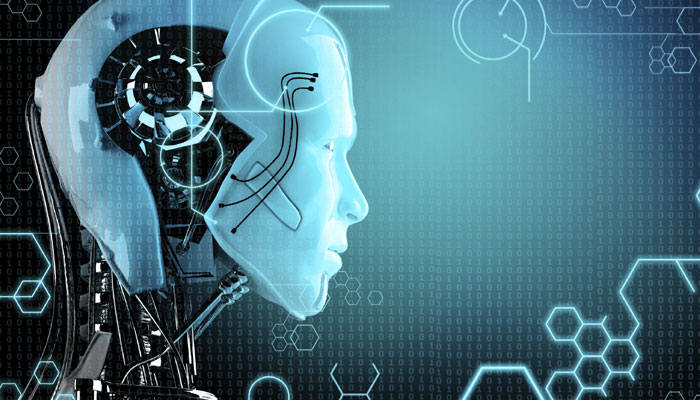
Robots are being used for many different tasks today, and soon everyone will encounter them on a daily basis. Whether it is during a banking transaction, or compiling your weekly grocery list artificial intelligence will soon become a part of the furniture and as useful as that may sound, where do we as mere humans fit in?
Even with the introduction of the most sophisticated chatbots, there are, a scientist will never be able to replicate the customer service levels you receive from a human. They may initially be useful in some circumstances, but for dealing with intricate customer issues, they will be of no real use and human intervention will still be required. When a robot can pass all facets of the Turing test, only then should humans become a little worried, but until then human engagement will still be required.
Robot technology is divided into two categories – those based on simple logic trees (SLT) and those that rely on natural language processing (NLP) or machine learning (ML). The SLT robot gathers information and redirects the user based upon answers to direct questions. However, NLP and ML robots function by picking up keywords in a conversation to gather information like Apple’s Siri and Amazon’s Alexa robots. But, with either type of robot technology, there is still a good chance they will not function correctly, and you will still end up speaking with a human.
It is evident that we will see more robots appear over time, but rather than completely wipe out their existing staff of humans, companies are more likely to integrate them into the system. By using both humans and robots, companies will be getting the best out of both worlds. They will save time and money with the robots carrying out basic tasks with the human staff being free to deal with more complicated issues. So, it’s not quite time to throw in the towel at work just yet, but just keep in mind that the next new employee that is taken on may not be human.
More News To Read
- 3D Printed Martian Cities May Soon Be Coming to the Mojave Desert
- Get Ready For the Ultimate Levitating Wireless Charger
- Assembly Bill 32 Gets Strong Backing From California Residents in Fight Against Global Warming
- Turning Chernobyl Into a Solar Farm
Related Coverage
- Should Robots Have Human Rights?
- Robots To Become Even More Human Like as Researchers Teach Them to Feel Pain
- Internet of Things and Artificial Intelligence Go Hand in Hand and Here’s Why
- Our Privacy is at Stake With Development of New Facial Recognition Technology
- 10 jobs that A.I. and chatbots Will Take Over
Don't miss new tech stories on Google
Add TrendinTech once in the Google app and our stories appear in your news suggestions.
Daniel Okafor
Daniel Okafor is the Senior AI Reporter at TrendinTech, where he covers large language models, machine learning research and the practical use of artificial intelligence across business and government. He previously reported on artificial intelligence for MIT Technology Review, covering the labs behind the current generation of frontier models and the policy debates in Washington and Brussels. Daniel holds a Master of Science in Machine Learning from Carnegie Mellon University and follows the research community closely, attending NeurIPS and ICML each year to speak with the people behind the papers. He has a particular interest in evaluation: how models are benchmarked, where those benchmarks fail and what that means for the companies betting on them.
All stories by Daniel Okafor (316)