
Why Use Nuclear When We Have Wind and Solar Power?
The Hinkley Point nuclear project has been a topic of discussion recently with the time getting closer for a decision to be made about the future of the project. While once upon a time, nuclear power was thought to be the best form of renewable…

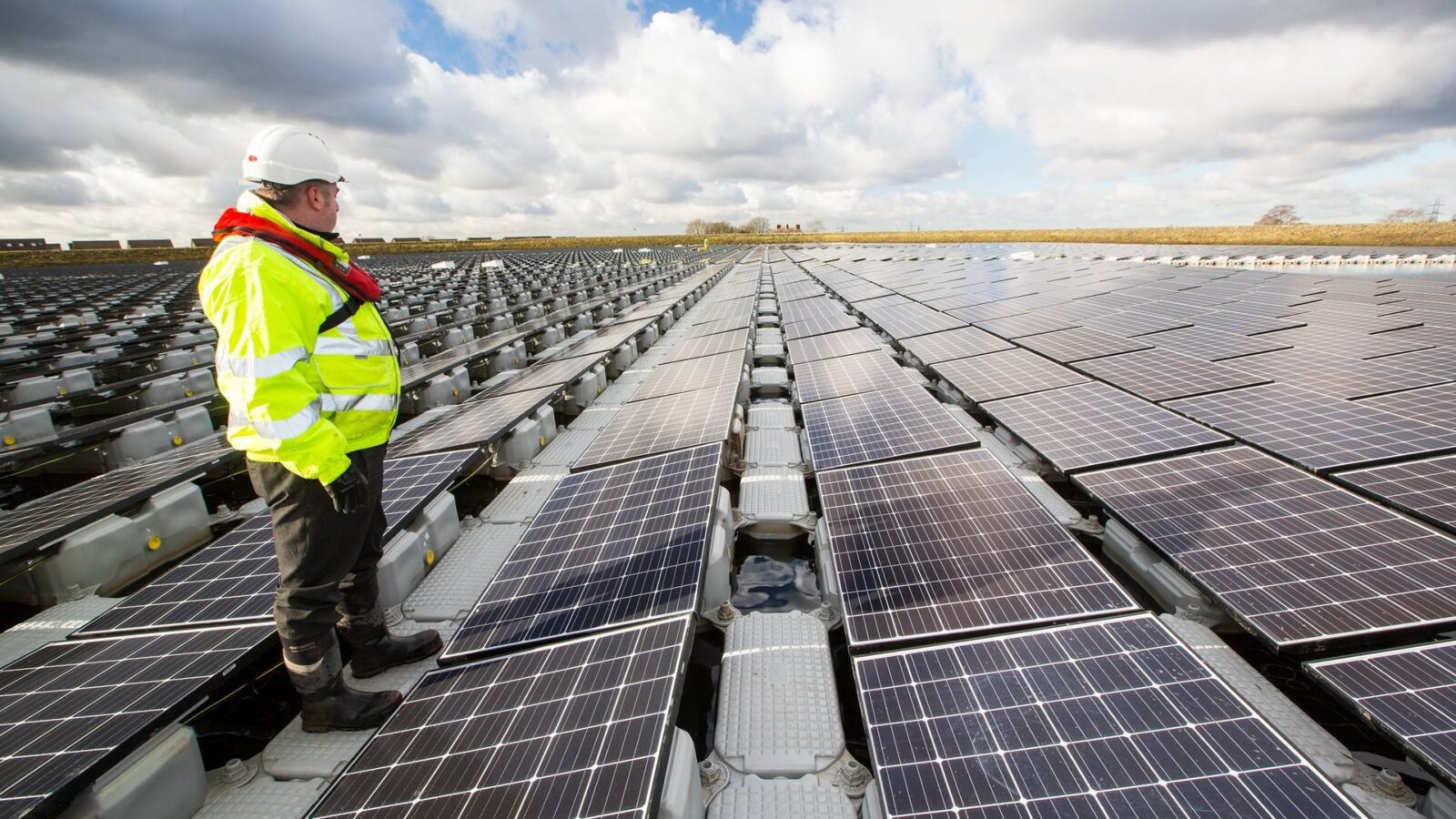
The Hinkley Point nuclear project has been a topic of discussion recently with the time getting closer for a decision to be made about the future of the project. While once upon a time, nuclear power was thought to be the best form of renewable energy, with the recent developments in solar and wind energy, this isn’t the case any longer. Cheap lithium-air batteries can also be used that are long life and can store five times the energy as the lithium-ion ones that are used today.
One of the main arguments against Hinkley going ahead is not its £18.5 billion price tag, but its constant power generation is no longer what we are looking for. With the cost of renewables like wind and solar reducing daily and the ability to store extra energy produced, doesn’t it make more sense to invest in these forms instead of nuclear? If the UK was to accelerate renewables, we could achieve 100 percent renewable power well before 2050 advises Jeremy Leggett, founder of Solarcentury.
There are already 1000 cities and 60 giant corporations across the globe that are committed to a 100 percent renewable supply. Portugal showed how it could be done in May when it ran for four days on an only wind, solar, and hydropower. Britain also made the headlines that same month as it produced more electricity via solar energy than coal-fired stations. In Brussels, wind energy alone reached an installed capacity of over 430 gigawatts, which is more than the 382 gigawatts of nuclear.
Senior research fellow at the Energy Institute at University College London, Paul Dorfman, states, “Hinkley will not come online in time to help with the critical UK electricity gap or with our carbon emission commitments. In fact, due to inevitable delays and cost overruns, Hinkley will block scarce resources going to necessary UK renewables, grid upgrades, and energy efficiency. Don’t believe the hype: it’s not ‘nuclear and renewables’ – because of the sheer cost of nuclear, it’s ‘nuclear or renewables.’”
Even the people at The Economist have lost faith in Hinkley and headlined a recent article, “Hinkley Pointless”, pointing out that it makes much more sense to use the time and resources set aside for it to improve electricity storage. But, on the other end of the scale, Tom Greatex, chief executive of the Nuclear Industry Association and former MP feels that we need to use all available technologies to meet our energy needs and that includes both renewables and nuclear. Hinkley Point is projected to supply around 7 percent of the UK’s electricity needs with a look to more than double this by the mid-2020’s.
More News To Read
- Apple’s CEO Tim Cook Confirms Firms Deep Involvement in Artificial Intelligence and Augmented Reality
- New Type of Battery Discovered Lasts Twice As Long As Normal
- New York’s Mayor Bill de Blasio Sets Some Tough Targets About Environment
- Our “11 Eco-Friendly Habits” That Aren’t So Eco-Friendly
Related Coverage
- Solar Power Set To Reach Record Levels in Next 15 Years
- Australia’s Clean Energy Future Gets Brighter
- Fastest Growing Solar Energy Project on Earth is About to Collapse
- Why Future Emphasis Should be on Algorithms – Not Code
- First Time Ever Coal-Fired Plants Provide Less Electricity Than From Photovoltaic Panels
Don't miss new tech stories on Google
Add TrendinTech once in the Google app and our stories appear in your news suggestions.
Rachel Kowalski
Rachel Kowalski is the Cybersecurity Analyst at TrendinTech, where she covers vulnerabilities, ransomware, supply chain attacks, nation-state operations and the security rules shaping organizations in the United States and Europe. Before moving into journalism she worked as a threat intelligence analyst at a security vendor and later reported for CyberScoop and the security desk at Wired, covering the SolarWinds compromise and the ransomware wave that hit hospitals and pipelines. Rachel holds a Master of Science in Cybersecurity from the Georgia Institute of Technology and attends Black Hat and DEF CON in Las Vegas each year, where she follows research from the security community. She writes to make risks and countermeasures understandable to people who are not specialists.
All stories by Rachel Kowalski (214)