
Why is iPhone So Much Better Than Android When it Comes to Security?
In the world of smartphones, iPhone and Android continue to battle it out. With the majority of smartphone users out there, it’s usually a pretty even split between those with iPhones and those with Androids and those few others that have something else.

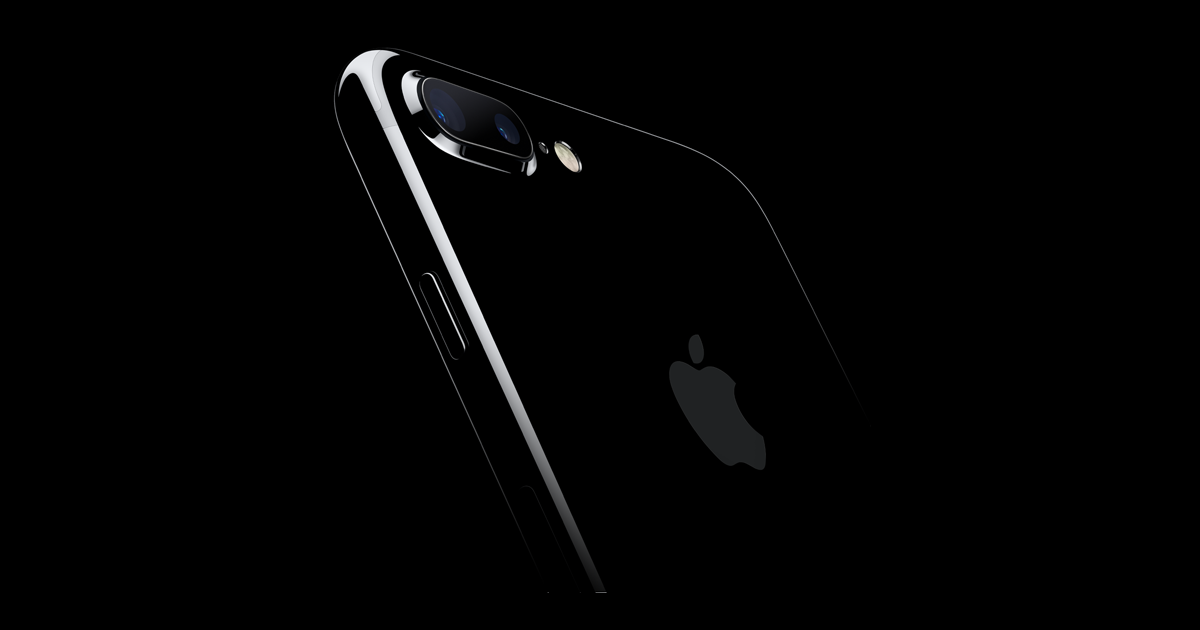
In the world of smartphones, iPhone and Android continue to battle it out. With the majority of smartphone users out there, it’s usually a pretty even split between those with iPhones and those with Androids and those few others that have something else. And while both the iPhone and Android phones have their own “unique selling points,” one area that the iPhone always comes out on top is in regards to security and below are five reasons why:
1. Market Share: This has a lot to do with an operating system’s level of security believe it or not because hackers and other cyber criminals want to do as many damages as possible, and the best way for them to do that is by attacking a highly popular platform. When it comes to smartphones Android has the market share at around 80% compared to the measly 20% that Apple hold. But on the flip side, Apple makes between 60% and 70% of the whole profit from the entire mobile phone industry. So, because Android have the biggest market share, they are the number one target for smartphone hackers and cyber criminals.
2. Viruses and Malware: Because Android has the biggest amount of hackers, it also has the biggest amount of viruses and malware attacking it. According to statistics, a whopping 97% of all malware attacking smartphones target Android.
3. Sandboxing: This is where Apple ensures each app runs in its separate “sandbox” area where it can’t really interact with any other app. It also means that if one app is subject to a malicious attack, no one outside the sandbox will be affected. With Android, it’s been designed for openness and flexibility, and for that reason leaves itself vulnerable to a lot of attacks.
4. App attacks: The two platform’s app stores is another area that comes into play regarding security. Sometimes viruses or attacks can be hiding in the actual app store itself, and you could have installed a threat without even knowing it. This is less likely to happen on the iPhone because Apple ensures they review all apps before they’re published in the store. With Google’s Android, on the other hand, there’s much less review going on and submit an app to Google Play, and it’s available within a couple of hours usually. With Apple, you could be waiting weeks.
5. Lost phone lock down: iPhones used to be one of the most stolen devices in the US. However, Apple has fought hard to reduce that number and has done so successfully by introducing two features: Find My iPhone and Activation Lock. The first helps you pinpoint your phone in case it is stolen while the second prevents thieves from doing anything with the phone unless they have the Apple ID that activated it in the first place. Google’s equivalent was called Android Device Manager and was released in 2013. It too will help you find your phone if lost or stolen, and delete data remotely, but doesn’t have anything as cool as iPhone’s Activation Lock.
More News to Read
- NASA’s Cassini Spacecraft Has Nearly Depleted the Fuel Reserves
- The Quantum Communication Revolution and Extraterrestrial Intelligence
- Google’s Machine Translation Can Directly Transcribe Foreign Speech
- Space is Cold, But If You Move Faster, Does Space Heat Up?
- Can An Object Ever Give Rise to a Naked Singularity?
Related Coverage
- Apple’s iPhone is about to Get Even Better With Augmented Reality
- Amazon Thinks Fire OS Users Do Not Need Privacy at All
- Why FBI needs Apple’s Help to Bypass a Simple 4 Number Security Code
- Google Search Bar in iOS Safari Cost $1 Billion Dollar
- Broke Your iPhone 7 Screen? Here is What to Do
Don't miss new tech stories on Google
Add TrendinTech once in the Google app and our stories appear in your news suggestions.
Owen Castellanos
Owen Castellanos is the Hardware & Gaming Reporter at TrendinTech, where he tests graphics cards, processors, consoles and peripherals and follows the games industry, from the major publishers to independent studios. He previously wrote reviews and benchmarks for Tom's Hardware and contributed features to PC Gamer, covering everything from laptop testing to the economics of game development. Owen holds a Bachelor of Science in Electrical Engineering from the University of Texas at Austin and attends CES in Las Vegas, Computex in Taipei and the Game Developers Conference in San Francisco each year to meet chipmakers and developers. He writes for readers who want to know whether a product is worth the money, and he is not shy about saying when it is not.
All stories by Owen Castellanos (252)