
Why Businesses Prefer Fanless Computers Over Normal Ones
The purpose of fans in computer systems is to prevent overheating by cooling down the components. Fanless computers provide the same cooling features as a traditional computer without the noise and energy consumption of a fan.

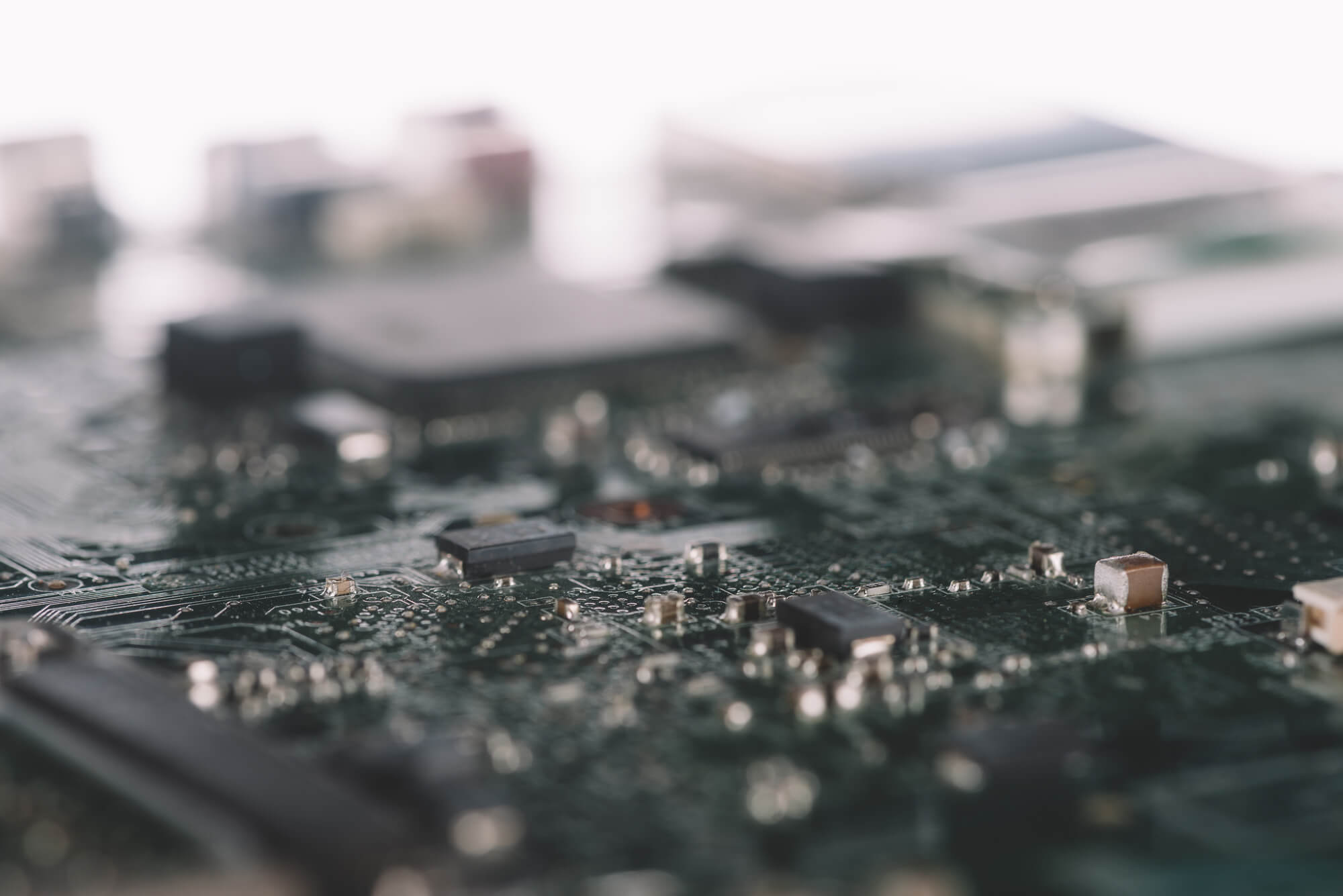
The purpose of fans in computer systems is to prevent overheating by cooling down the components. Fanless computers provide the same cooling features as a traditional computer without the noise and energy consumption of a fan. Instead, they use a passive cooling system that allows the heat generated to disperse without using a fan. There are many reasons why businesses prefer fanless PCs.
Less Power Consumption
High-performance, fanless computers use a lot less power than traditional computers with built-in fans. The processors in fanless computers are built to run a variety of complex applications while conserving energy. With no fans, computer components also generate less heat. For many businesses, energy efficiency is imperative, especially for companies that have a large number of computers in use and require a great amount of energy to run them.
Fewer Breakdowns
Traditional computers have fans that operate mechanically, which means that at some point, they can experience mechanical failure. With a fanless unit, this problem is eliminated. Fanless units have fewer moving parts, so there are fewer parts that can malfunction, resulting in lower repair costs and greater productivity.
A Cleaner Workplace
While traditional computer fans can blow dust and debris around the area, computers with fanless, passive cooling systems help keep the workplace free of dust. These units are ideal in sterile environments where cleanliness is a necessity, such as food processing plants, medical facilities and pharmaceutical companies. In addition, the dust and debris from a traditional computer can build up, causing damage to electronic components over time. Fanless computer systems contribute to cleaner air and a cleaner facility.
Reduced Noise
Fans in traditional computers can be loud, but when fans are omitted and solid state hard drives are used in sealed components, fanless computers can run silently. This is particularly important in environments where noise reduction is crucial, such as hospital operating rooms, recording studios, libraries, laboratories or home theaters. The absence of loud computer equipment can turn an uncomfortably noisy environment into a calmer, more relaxing one. And with fanless computers, there will not be any excessive sound to bother people in the vicinity or to interfere with conditions that need to be silent.
Don't miss new tech stories on Google
Add TrendinTech once in the Google app and our stories appear in your news suggestions.
Flexible Placement
Some areas are just not suitable locations for traditional computers, such as areas where there is excessive dirt or debris, extreme vibration, exposure to liquids or chemicals or in an outdoor environment. In these situations, fanless computers are a great option because they can tolerate the exposure and harsh environments that a typical computer cannot.
With all of the ongoing advancements in technology, businesses need equipment that can meet their needs and keep up with their workload while remaining energy efficient, effective and reliable. Companies often depend on high-performance computer equipment to run complex applications and processes. Fanless computers provide the dependability of a high-quality computer with the convenience of a fanless, passive cooling system, making them a great option for businesses in industries where cleanliness, preventing exposure to the elements and noise reduction are crucial.
Image; DepositPhotos
Related Coverage
Daniel Okafor
Daniel Okafor is the Senior AI Reporter at TrendinTech, where he covers large language models, machine learning research and the practical use of artificial intelligence across business and government. He previously reported on artificial intelligence for MIT Technology Review, covering the labs behind the current generation of frontier models and the policy debates in Washington and Brussels. Daniel holds a Master of Science in Machine Learning from Carnegie Mellon University and follows the research community closely, attending NeurIPS and ICML each year to speak with the people behind the papers. He has a particular interest in evaluation: how models are benchmarked, where those benchmarks fail and what that means for the companies betting on them.
All stories by Daniel Okafor (316)