
What Does New Technology Like VR Mean for the Online Gaming Industry?
There's nothing new about the importance of VR to the games industry. It has been predicted to transform gaming for years, and while it has not replaced traditional screens, it has changed how many developers think about online play.

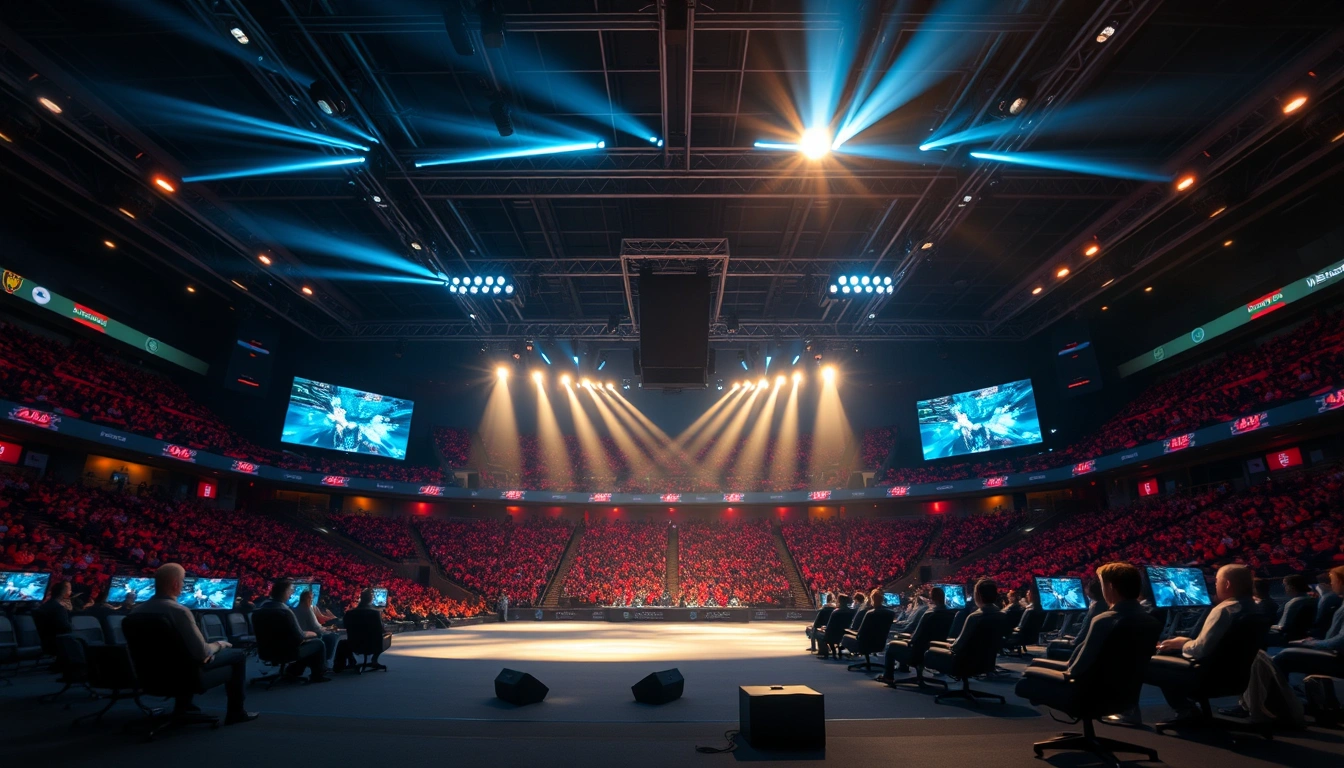
There’s nothing new about the importance of VR to the games industry. It has been predicted to transform gaming for years, and while it has not replaced traditional screens, it has changed how many developers think about online play. Here is what virtual reality means for the online gaming industry today.
Don't miss new tech stories on Google
Add TrendinTech once in the Google app and our stories appear in your news suggestions.
New kinds of multiplayer experiences
In a traditional online game you see other players as characters on a screen. In VR you share a space with them. Head and hand tracking let players gesture, point, wave and interact naturally, which makes social play feel much more personal. Cooperative puzzle games, virtual board game tables and social hangout spaces have shown how powerful that sense of presence can be.
Design challenges
Online VR games face challenges that flat-screen games do not. Latency is more noticeable because the player’s own body is part of the interface; if movements lag, the experience can quickly become uncomfortable. Developers must also design for players who may be seated or standing, have small or large play areas, and use different headsets with different controllers.
A smaller but passionate audience
The number of people who own VR headsets is still small compared with consoles, PCs and phones. For online games, that matters because a healthy multiplayer game needs enough players to fill matches quickly. Many developers solve this with cross-platform play, allowing VR players to join the same world as people on regular screens.
Esports and spectating
Competitive VR games have attracted dedicated players and tournaments. Watching VR esports is different: broadcasters often combine in-game views with camera footage of players moving in real space, which can be exciting to watch. Tools for spectating in VR itself, where viewers can stand inside the arena, are another area of experimentation.
Business models
VR games have mostly been sold as premium titles, though free-to-play social platforms have also grown large communities. Developers need sustainable models to fund continued updates, and subscription libraries for VR have appeared as another option.
Health, safety and wellbeing
Online VR spaces need strong safety features. Personal boundary settings that stop avatars coming too close, easy blocking and reporting, and clear moderation are important to keep social VR welcoming. Physical safety matters as well: guardian systems warn players before they walk into walls or furniture.
What comes next
Lighter standalone headsets, better displays, hand tracking and eye tracking are all making VR more comfortable and accessible. Mixed reality, which blends virtual objects with the real room, could allow new kinds of social games played together in the same physical space.
Frequently asked questions
Can VR players play with non-VR friends?
In many games, yes. Cross-platform titles let players on headsets and regular screens share the same world, each with controls suited to their device.
Is VR good for fitness?
Active VR games can provide a real workout, and dedicated fitness apps track movement and calories. They are a fun complement to other exercise.
Key takeaways
- VR turns online play into shared presence, where gestures and body language matter.
- Latency and comfort are even more important in VR than on a flat screen.
- Cross-platform play helps VR games find enough players for healthy matchmaking.
- Personal boundaries, blocking and moderation are essential for safe social VR.
- Lighter headsets, hand tracking and mixed reality will keep expanding what online VR can offer.
Conclusion
VR has not replaced traditional online gaming, but it has expanded what online games can be. For the industry, it is a place to experiment with presence, social interaction and new ways to play. As hardware improves and audiences grow, lessons learned in VR are likely to influence game design far beyond headsets.
Related Coverage
Owen Castellanos
Owen Castellanos is the Hardware & Gaming Reporter at TrendinTech, where he tests graphics cards, processors, consoles and peripherals and follows the games industry, from the major publishers to independent studios. He previously wrote reviews and benchmarks for Tom's Hardware and contributed features to PC Gamer, covering everything from laptop testing to the economics of game development. Owen holds a Bachelor of Science in Electrical Engineering from the University of Texas at Austin and attends CES in Las Vegas, Computex in Taipei and the Game Developers Conference in San Francisco each year to meet chipmakers and developers. He writes for readers who want to know whether a product is worth the money, and he is not shy about saying when it is not.
All stories by Owen Castellanos (252)