
Researchers Have Developed a Systems to Store Digital Data in DNA
There is a major reason why some of the technology companies have to have ever increasing data centres. This is because people are insistent on keeping photographs of the family, emails and videos that they find amusing.

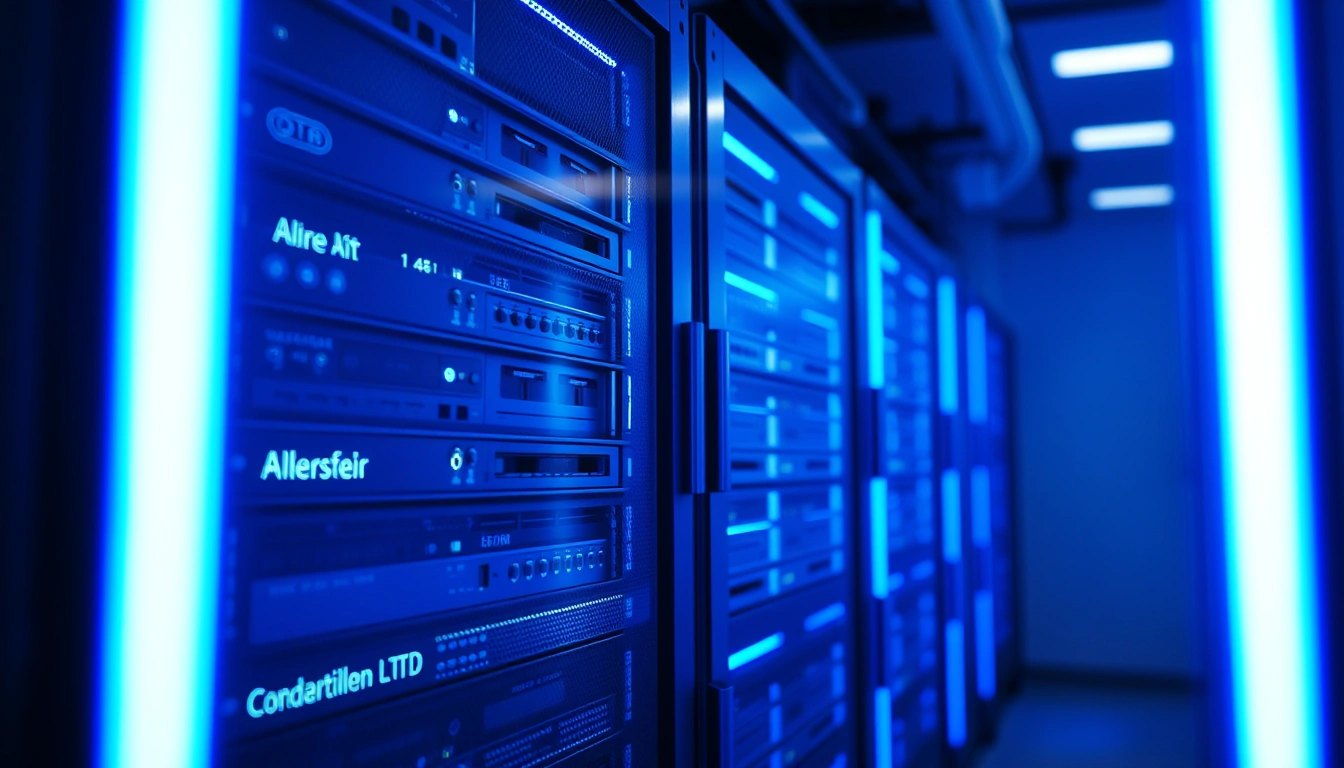
There is a major reason why some of the technology companies have to have ever increasing data centres. This is because people are insistent on keeping photographs of the family, emails and videos that they find amusing. There are plans in place to reduce the amount of space needed to store this data; and if it is successful, there will now be the size of a cube of sugar needed rather than the Walmart superstore-sized space that is being used.
The computer scientists working on this project have details of a system that can store, encode and later retrieve large amounts of digital data. They manage this by using molecules of DNA. There will be millions of times more data stored than it is possible to store in the archives that are currently available.
READ ALSO: Marijuana receptor Might Hold The Key to Fertility Treatments For Men
Experiments were explained in a paper, and this showed how the team was able to encode the data from four images to DNA snippets. They were also able to do the reverse of this and reconstruct the initial images completely.
A DNA database system is being researched, and it could be the answer to storage problems. Microsoft and the University of Washington researchers can randomly access DNA from a large range of molecules and can retrieve them in sequences. At present, the main block to this work is the cost, and there is no problem with technology. It is Microsoft, the David Notkin Endowed Graduate Fellowship and the National Science Foundation that are paying for the work.
Source: University of Washington
Related Coverage
- Family-Owned Companies -Mittelstand- in Germany Are Facing Trouble in Major Export Markets
- 10 Best Free Data Recovery Software for Mac
- Do Physicists Need to Change the Way They Measure Quantum States?
- New System Developed Integrates Wireless High-Speed Data and Power Transfer
- Samsung Galaxy S7 Edge VS Hydraulic Press
Don't miss new tech stories on Google
Add TrendinTech once in the Google app and our stories appear in your news suggestions.
Rachel Kowalski
Rachel Kowalski is the Cybersecurity Analyst at TrendinTech, where she covers vulnerabilities, ransomware, supply chain attacks, nation-state operations and the security rules shaping organizations in the United States and Europe. Before moving into journalism she worked as a threat intelligence analyst at a security vendor and later reported for CyberScoop and the security desk at Wired, covering the SolarWinds compromise and the ransomware wave that hit hospitals and pipelines. Rachel holds a Master of Science in Cybersecurity from the Georgia Institute of Technology and attends Black Hat and DEF CON in Las Vegas each year, where she follows research from the security community. She writes to make risks and countermeasures understandable to people who are not specialists.
All stories by Rachel Kowalski (214)