
Google Announced Their D-Wave 2X Quantum Computer Succesfully Works
It seems that the D-Wave Computer does work, and the theory is that the hardware is 3,600 times faster than other supercomputers. It is the nearest we have to quantum computing, and there have been two tests leading to the announcement that it was far more…

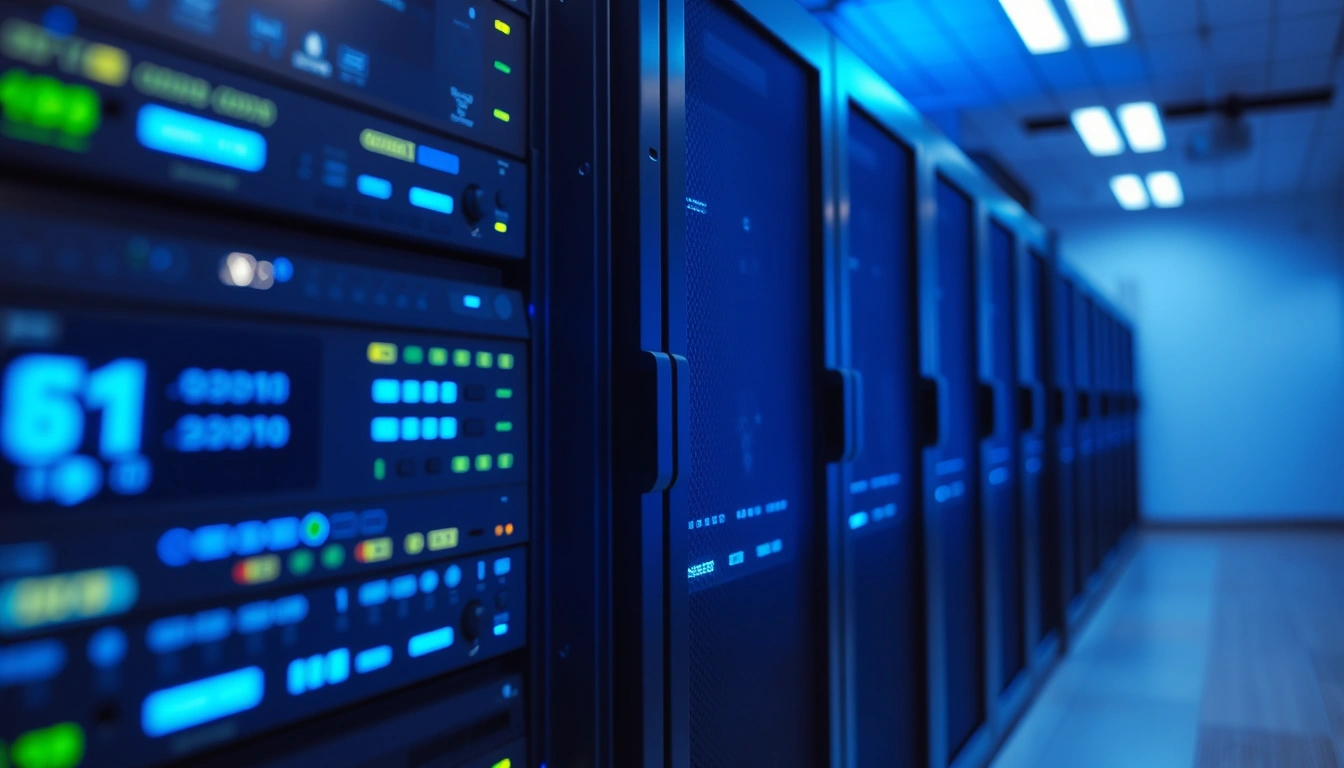
It seems that the D-Wave Computer does work, and the theory is that the hardware is 3,600 times faster than other supercomputers. It is the nearest we have to quantum computing, and there have been two tests leading to the announcement that it was far more quickly than simulated annealing which is a copy of quantum computation carried out on a standard computer chip.
The results were commented on by Hartmut Neven the Google Director of Engineering. He explained that it was 108 times faster than simulated annealing run on a single core and comparisons had been carried out against Quantum Monte Carlo. Despite running on conventional processors, it copies the quantum system, and there is little to choose when it comes to scaling.
READ ALSO: The Fluctuation of Your Heartbeat May Affects Your Wisdom
The extra speed can be attributed to a quantum mechanical quirk. Qubits are used, and this means that solutions can be considered more quickly. There is, however, controversy, but Google seems to have demonstrated that quantum effects are solving problems quickly. The D-Wave quantum computer can finish a task 100 million times faster than a standard computer. A peer review still needs to take place, and it can still be shown the average computer was not using the best algorithm available.
Google is still working with NASA and also has its own hardware laboratory. Size and cost are not an issue at present as the main aim is to ensure the computer works. This is the view of John Martinis, who is leading the program at the University of California.
Related Coverage
- Google’s New Artificial Intelligent Chip and Supercomputer are Ready to Kick Butt
- Time Crystals Could be the Key to the First Quantum Computer
- New Spintronics Material Could Advance Quantum Computing
- Breakthrough for Scientists Comes in the Form of Another Gravitational Wave
- Quantum Computer Programming: What You Need to Learn to Get Started?
Don't miss new tech stories on Google
Add TrendinTech once in the Google app and our stories appear in your news suggestions.
Daniel Okafor
Daniel Okafor is the Senior AI Reporter at TrendinTech, where he covers large language models, machine learning research and the practical use of artificial intelligence across business and government. He previously reported on artificial intelligence for MIT Technology Review, covering the labs behind the current generation of frontier models and the policy debates in Washington and Brussels. Daniel holds a Master of Science in Machine Learning from Carnegie Mellon University and follows the research community closely, attending NeurIPS and ICML each year to speak with the people behind the papers. He has a particular interest in evaluation: how models are benchmarked, where those benchmarks fail and what that means for the companies betting on them.
All stories by Daniel Okafor (316)