
Could Artificial Intelligence Really Be Used to Attain Human Immortality?
There are several scientists that are now convinced upon the idea that while aging is a natural occurrence that happens in all creatures, it is, in fact, a disease that can be treated or cured.

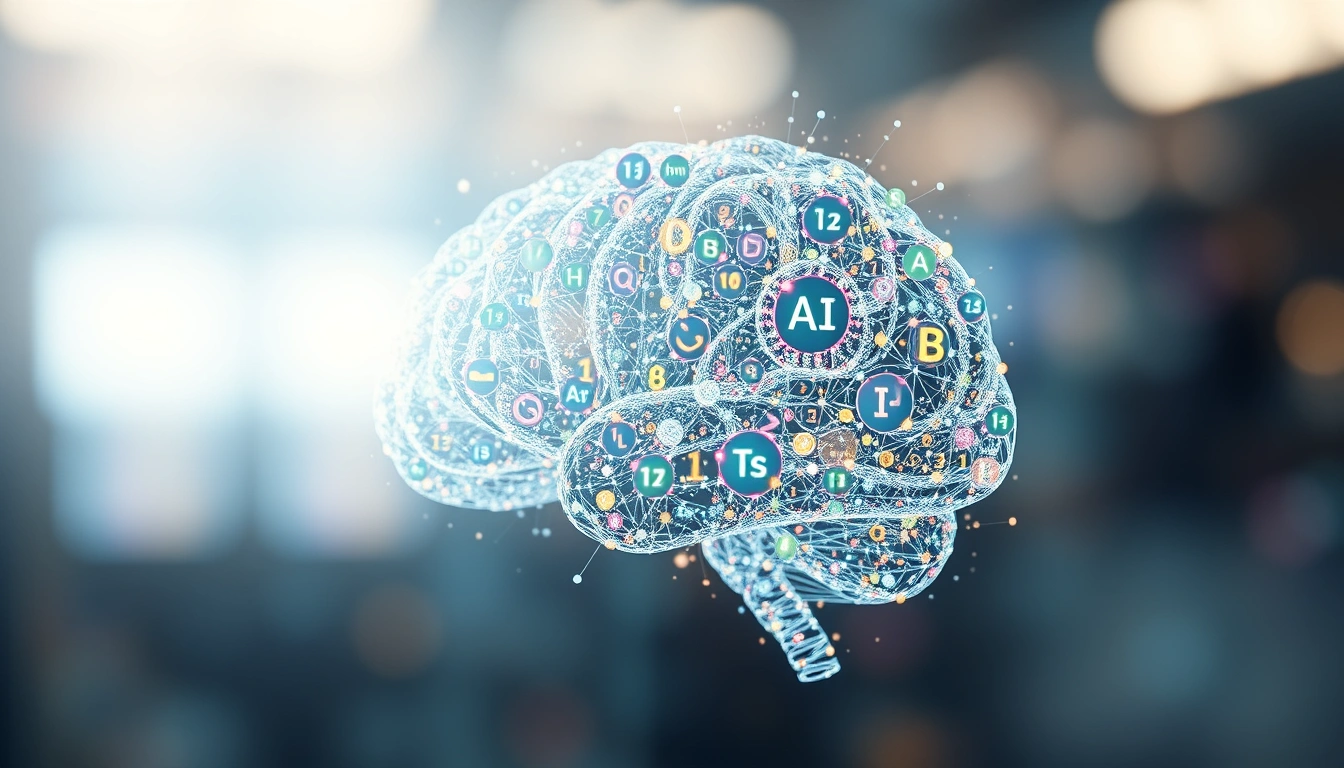
There are several scientists that are now convinced upon the idea that while aging is a natural occurrence that happens in all creatures, it is, in fact, a disease that can be treated or cured. In that regards, there are some scientists out there looking to slow down the process of aging, while others are looking to stop it all together.
Some of these ideas have been spurred on by the development of certain technologies, such as combining stem cells with genetic and cellular manipulation. Researchers have also been looking into the rejuvenating effects of proteins that are found in human blood, while others suggest using bacteria to ward off old age.
Alex Zhavoronkov is director of both the International Aging Research Portfolio (IARP) and the Biogerontology Research Foundation and the CEO of bioinformatics company, Insilico Medicine and he has a different idea altogether. His idea focuses on using artificial intelligence (AI) to defeat aging and age-related illnesses. “I think that applying AI to aging is the only way to bring it under the comprehensive medical control,” says Zhavoronkov. “Our long-term goal is to continuously improve human performance and prevent and cure the age-related diseases.”
As part of his ongoing research Zhavoronkov intends to build a comprehensive system that will model and monitor the human health status and quickly fix any deviations via lifestyle changes or therapy. But, it’s not going to happen overnight and realistically it’s probably going to be around 5 years before its fully complete. AI also plays an important role in facilitating the manufacture of certain drugs; some of which could treat aging or age-related diseases.
“Our AI ecosystem is comprised of multiple pipelines,” explained Zhavoronkov. “With our drug discovery and biomarker development pipelines, we can go after almost every disease […] And since we are considering aging as a form of a disease, many of the same algorithms are used to develop biomarkers and drugs to prevent and possibly even restore the aging-associated damage.”
Related Links;
- Expert: Human Immortality Could Be Acquired Through AI / Futurism
- A.I. Versus Aging
- Research tool to analyze activity of molecular pathways
More News to Read
- New Study of Kuiper Belt Reveals Neptune Formed Quite Smoothly All Those Years Ago
- How Possible is it to Live Inside a Volcano?
- Is There Life on Saturn’s Moon Enceladus?
- The Super Toughness of the Galaxy S8 Battery Impresses Fans
- Researchers Uncover New Facts About Casimir Effect
Related Coverage
- Scientists Prove Traditional IQ Tests Useless
- Is Artificial Intelligence the Answer to Finding a Cure for Cancer?
- Greenland is Melting Too Early This Year – Natural Causes or Global Warming?
- Companies use AI to Find Human Employees to Work with Artificial Intelligence
- Artificial Intelligence, Machine Learning, and Deep Learning and How they Differ from One Another
Don't miss new tech stories on Google
Add TrendinTech once in the Google app and our stories appear in your news suggestions.
Daniel Okafor
Daniel Okafor is the Senior AI Reporter at TrendinTech, where he covers large language models, machine learning research and the practical use of artificial intelligence across business and government. He previously reported on artificial intelligence for MIT Technology Review, covering the labs behind the current generation of frontier models and the policy debates in Washington and Brussels. Daniel holds a Master of Science in Machine Learning from Carnegie Mellon University and follows the research community closely, attending NeurIPS and ICML each year to speak with the people behind the papers. He has a particular interest in evaluation: how models are benchmarked, where those benchmarks fail and what that means for the companies betting on them.
All stories by Daniel Okafor (316)