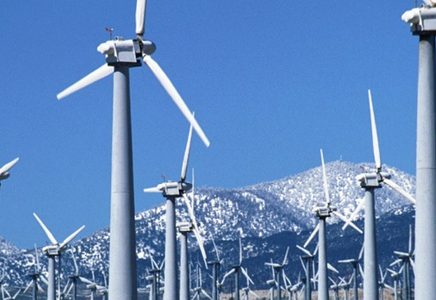
Using solar power to produce energy is no new subject, but even though it has been around now for quite some time, there are still massive limitations in its use. However, researchers have been working on a project that is hoping to improve that and make solar energy even more efficient than it is already.
One of the problems with the silicon photovoltaic (PV) solar cells that are used in abundance at the moment is that the form of silicon that is required to manufacture them does not come naturally. And, for the silicon to be extracted it first needs to be heated up to separate it from the oxygen using an electrode arc furnace, which in itself uses lots of energy.
The second problem with PV cells is that in order for them to work their most efficient they need to be enclosed in large, heavy panels. This makes them slightly unattractive for some homeowners and nearly impossible for some apartment owners.
Thirdly, a significant limitation of the widely used PV cells of today is that when you actually study the energy efficiency of them, they may not be as good as you first expected or were led to believe. Although research into traditional solar panels has been going on more than 15 years, they are still only capable of achieving a 25 percent conversion rate of sunshine to electricity.
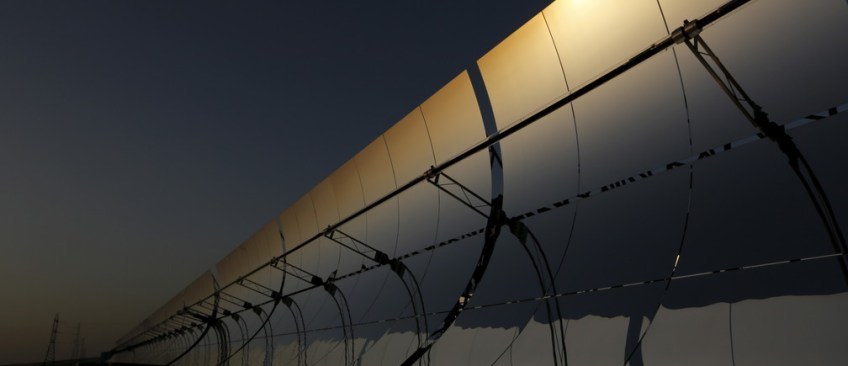
The answer to all three of these dilemmas is by using perovskites as a substitution for silicon in producing solar cells. Perovskites are minerals that consist largely of carbon and hydrogen and solutions can be manufactured quickly and efficiently and can then be used a thin layer on almost anything.
There is still further research to be continued before this becomes a mainstream used a method, especially regarding how robust they will be without the silicon and if they can be produced in bulk. But once people have noted the benefits they will find it hard to turn back to the more traditional solar panels used today. Also, with being so versatile they will be able to reach millions of people that never would have had the opportunity to have solar power before, and that is one big selling point on its own.
Original Article Published at World Economic Forum
More News To Read
- Tesla, Google, and Autonomous Driving – Who is Really Winning the Race?
- Who Will Replace Uber and Lyft in Austin?
- Glowing Fungi Trees For Lighting Our Streets
- Will Africa One Day Be In The Silicon Valley Circle?
- China Built Massive 500 Meter Telescope Set To Hit World Records